As an Amazon Associate, we earn from qualifying purchases. Some links on this site are affiliate links at no extra cost to you. Our recommendations are based on thorough research and editorial judgment.


What’s The Proper Chopstick Etiquette?

When it comes to chopstick etiquette, think of it as a delightful dance! First, we handle our chopsticks like pros—one between our thumb and middle finger, and the other nestled on our ring finger. Let’s skip any funeral faux pas—no sticking them upright in our rice! Instead, we should use a cute chopstick rest. And remember, never grab food with our personal chopsticks from shared plates. Stick around, and we’ll uncover more magical tips for mastering this culinary art!
Key Takeaways
- Place one chopstick between the thumb and middle finger, with the second secured by the index and ring fingers for proper grip.
- Use a chopstick rest when not in use to maintain cleanliness and avoid resting them on the table.
- Avoid sticking chopsticks upright in food or passing food directly with chopsticks due to cultural taboos.
- Transfer food to your plate before eating to maintain hygiene and respect in communal dining settings.
- Refrain from using chopsticks to gesture, drag bowls, or stab food, as this is considered impolite.
Basic Handling of Chopsticks
Ready to master the delightful art of chopstick handling? We’re here to help you get that chopstick grip just right! Start by placing one chopstick between the base of your thumb and middle finger. The second stick rests on your ring finger, pinned down by your index and middle fingers—think of it as a magical food pickup duo!
When it comes to food selection, be decisive. We shouldn’t hover over dishes like we’re waiting for a holiday gift! Once we pick something up, it’s time to chow down—no returns! For practice, try picking small, manageable bites. Remember, mastery takes time, so let’s enjoy this tasty journey together! 🥢✨ Daily practice of ten minutes is recommended for quick improvement as you familiarize yourself with chopstick techniques.
Recommended Products
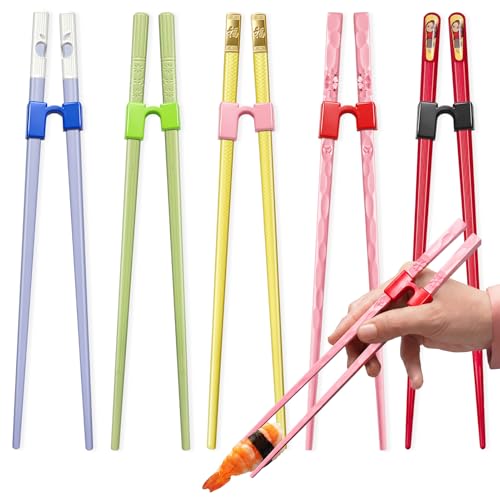
【Value 5 Pairs Training Chopsticks Set】5 Pairs reusable chop sticks, 5 pieces chopstick trainers helpers, satisfy the daily needs of all your family to learn to use chopsticks. Different colors and pattern allow everyone to have their own Special chopsticks.

【Value 5 Pairs Training Chopsticks Set】5 Pairs reusable chop sticks, 5 pieces chopstick trainers helpers, satisfy the daily needs of all your family to learn to use chopsticks. Different colors allow everyone to have their own Special chopsticks.
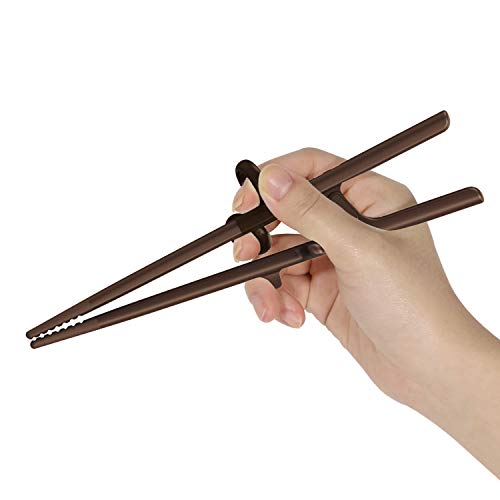
🥢 [BE AN EXPERT] Are you still the only one who orders a fork while all your folks use chopsticks at an Asian restaurant? No more blushing! You will master using chopsticks with these amazing training chopsticks. Designed to place your fingers on accurate parts of chopsticks via silicon rings to help you get familiar with chopstick uses. As you get more confident, gradually detach the silicone rings. You can now enjoy your sushi and ramen to the fullest.
Prohibited Actions and Cultural Taboos
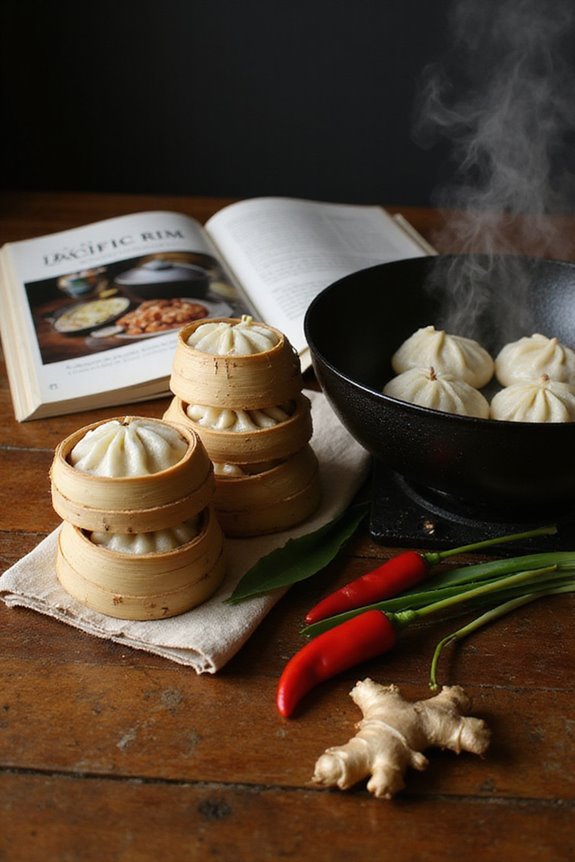
When diving into chopstick etiquette, it’s important to know some actions that are best avoided to avoid any dining faux pas! Here are some notable taboo actions you’ll want to skip:
- Upright Chopsticks: Sticking chopsticks in food is linked to funerals and is considered rude.
- Passing Food: Don’t transfer food chopstick-to-chopstick; it’s reminiscent of cremation rituals.
- Pointing and Waving: Using chopsticks to gesture can offend others at the table.
- Dragging Bowls: Shifting bowls with your chopsticks is seen as selfish.
Additionally, the choice of disposable bamboo chopsticks can enhance your dining etiquette experience, as they are designed for hygiene and comfort. Each of these cultural taboos holds significant meaning, and by respecting them, we enhance our dining experience while avoiding awkward moments—let’s enjoy our meals harmoniously!
Recommended Products

Hiceeden 360 pairs disposable bamboo chopsticks, measuring 8.3" in length. suitable size for many Chinese, Japanese, Vietnamese, and Korean dishes. A must have in kitchen.

Smooth Quality Disposable Chopsticks -Sugormek 100 pairs Bamboo Chopsticks are made of high quality bamboo. Chopsticks are smooth surface, no splinter, no metals, which offers a pleasant & comfortable dining experience.

Disposable Wooden Chopstick Pack of 40
Proper Placement and Use Etiquette
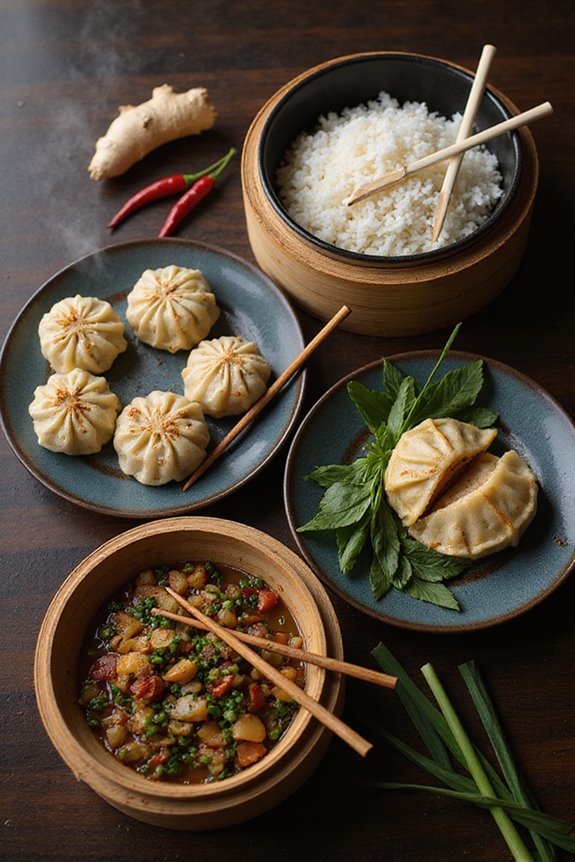
Using chopsticks may seem tricky at first, but once we master proper placement and use, it becomes a delightful part of our dining experience! Here are some key points to remember:
- Chopstick Rests: Always place our chopsticks on a chopstick rest (hashi-oki) when not in use. If one isn’t available, neatly position them on the edge of our bowl or plate.
- Bowl Placement: Avoid placing chopsticks upright in rice. It resembles offerings to the deceased and is a big no-no!
- Food Handling: Use both chopsticks together to pick up food carefully. Avoid stabbing or shoveling—this isn’t a food fight!
Additionally, using ergonomic designs can enhance grip and comfort, making the dining experience even more enjoyable. Let’s enjoy our meals with grace and respect, turning chopstick dining into a magical experience!
Recommended Products

8-PIECE SET: 8 chopstick holders in starry blue, active glaze overlay and strict production process to create this set of chopstick holders unique colors

MULTI-COLOR 8-PIECE SET: 8 chopstick holders in different colors, active glaze overlay and strict production process to create this set of chopstick holders unique colors

Chopsticks: made of natural bamoo, safe for food, and eco-friendly
Cultural Variations and Contextual Differences
Cultural variations in chopstick use add an intriguing twist to our dining escapades, making each meal an adventure! Let’s explore some regional variations that add cultural significance to our chopstick etiquette:
- China & Vietnam: Lifting the bowl closer while eating is totally normal here!
- Japan: Lifting bowls is a no-go; chopsticks are for solids, while spoons help with liquids.
- Community vs. Individual: China loves communal dining, sharing dishes, while Japan focuses on individual servings. Additionally, using the appropriate length of chopsticks can significantly enhance the dining experience, especially during hot pot meals.
Handling and Technical Tips
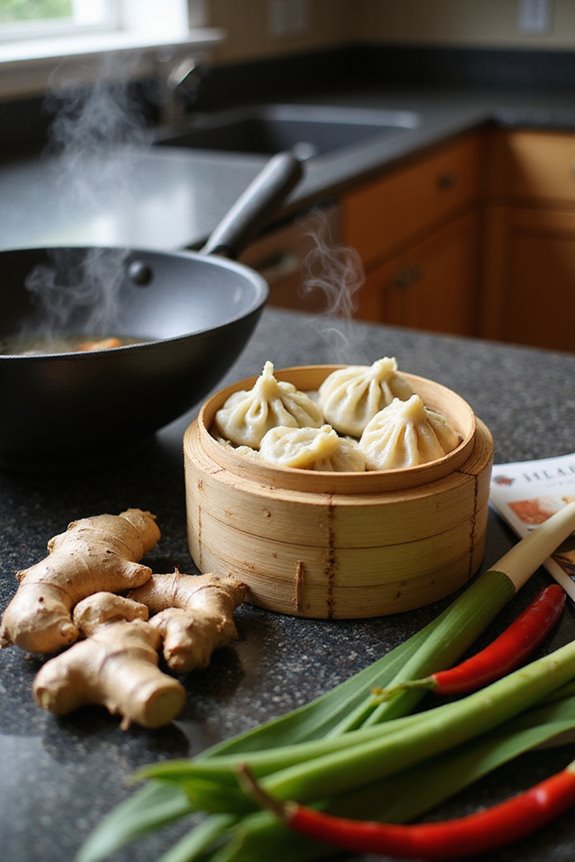
Mastering the art of holding chopsticks can feel like revealing a delightful culinary secret! Let’s explore the magical chopstick grip and movement technique that’ll impress our friends.
- Chopstick Grip:
- Place the first chopstick between your ring finger and thumb, secure it at the base.
- Hold the second chopstick like a pencil, using the thumb, index, and middle fingers.
- Move only the upper chopstick to open and close, while the bottom one stays steady.
- Practice with tiny foods like beans to build finesse! Additionally, using extra long chopsticks can enhance your precision in handling larger dishes like noodles or hot pot!
- Never use your mouthy chopsticks to grab food from shared plates; instead, use the provided serving utensils.
- Transfer food to your plate before eating—don’t dig right in from the communal dish!
- When done, let’s properly dispose of disposable chopsticks by returning them to their wrapper. Additionally, choosing reusable materials like stainless steel or wood for your chopsticks reduces waste and supports sustainability.
Recommended Products

Donxote Wooden Noodles Kitchen Cooking Frying Chopsticks 16.5 Inches Brown Extra Long Set of 2 Pairs
SIZE & MATERIAL - Donxote extended cooking chopsticks measure 42 cm (16.5 inches) in length and weigh approximately 95 g per pair. Crafted from durable ironwood, they offer a balanced feel and reliable control for everyday cooking.
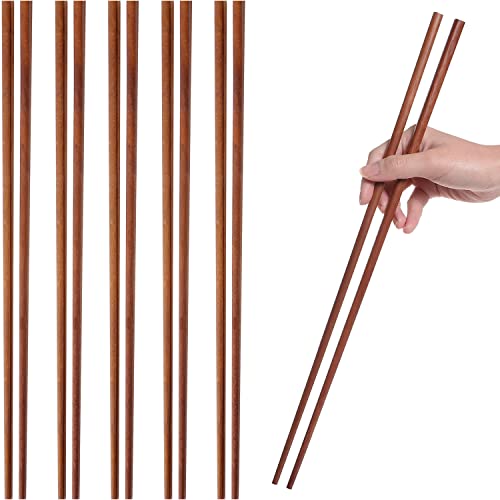
PREMIUM IRONWOOD CONSTRUCTION - Crafted from dense, durable ironwood for strength, balance, and long-term use. Built to withstand daily cooking.
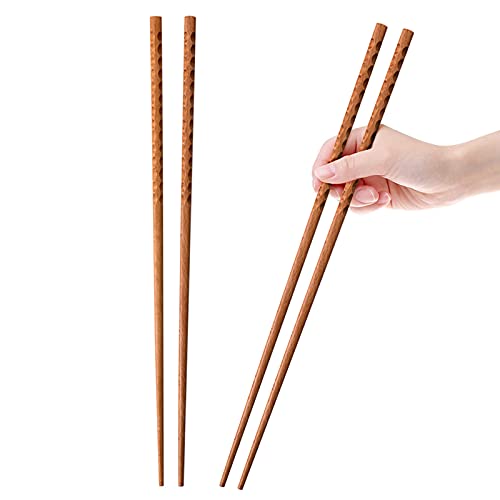
Beech Wood: The chopsticks are made of beech wood with unique texture and smooth surface.
Hygiene and Respect Practices
When it comes to enjoying a meal with chopsticks, we can’t overlook the importance of hygiene and respect practices that make dining a delightful experience! To keep things clean and guarantee respectful sharing, let’s follow these hygienic practices:
These simple steps not only prevent cross-contamination but also show respect for our dining companions. So let’s keep our chopsticks in tip-top shape and have a fabulous and clean feasting experience together!
Recommended Products

Food Grade Material: Made from SUS 304 (18-8) stainless steel, these chopsticks are resistant to rust and corrosion for long-term use. Compared to wooden or fiberglass chopsticks, this metal chopsticks do not crack, chip, or wear down over time. The smooth metal surface does not produce unwanted aftertaste, providing a safe and reliable option for everyday dining needs.

Premium Quality: The reusable chopsticks are made from food-grade 304 stainless steel. Premium sturdy material, square design & light weight, comfortable to hold and less rolling
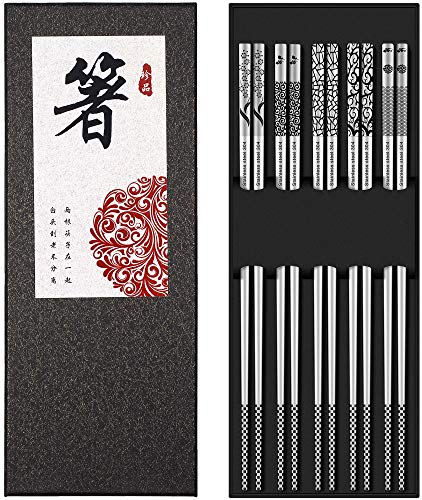
✿ 【Safe Material】: Our metal chopsticks are made of food-grade 304 (18/8)stainless steel. The 304 stainless steel is healthy material widely used on flatware. Those metal chopsticks made of 304 stainless steel won't get rusty like the low quality steel chopsticks. Our stainless chopsticks weigh 33g per pair, comparing with those metal chopsticks weigh 20g or less, our metal chopsticks use more material, which ensures the sturdy quality. The best choice for safe and durable reusable chopsticks.
What Are the Different Types of Chopsticks Available?
When exploring the different types of chopsticks, we find bamboo chopsticks offering tradition, while metal chopsticks provide a modern twist. Together, they connect us to diverse cultures, enriching our dining experiences and fostering a sense of belonging.
How Do I Choose the Right Chopstick Size for My Hands?
When choosing chopstick length, we should consider our hand size for ideal grip comfort. A proper fit makes all the difference, enhancing our eating experience and helping us feel more connected with the culture.
Can I Use Chopsticks for All Types of Food?
While we might dream of using chopsticks for every delicious bite, their versatility shines best with solid foods. Some dishes, though, simply aren’t chopstick-friendly, reminding us that food compatibility is key in dining together.
How Do I Clean and Maintain Wooden Chopsticks?
When we’re cleaning our wooden chopsticks, we should use gentle techniques. Rinsing immediately and using mild soap helps. With proper care, like avoiding heat and soaking, our chopsticks will last longer and stay hygienic.
Are There Chopstick Alternatives for Those Who Can’t Use Them?
Did you know that about 15% of people struggle with chopsticks? We can explore various chopstick alternatives and adaptive utensils, like training chopsticks and ergonomic designs, making meals enjoyable for everyone, regardless of skill level.