As an Amazon Associate, we earn from qualifying purchases. Some links on this site are affiliate links at no extra cost to you. Our recommendations are based on thorough research and editorial judgment.


How Do I Remove Food Stuck To Clay Pot?

To remove food stuck to clay pots, we’ve got some delightful tricks! First, we can soak the pot in cold water for 15 minutes to 2 hours. For tough spots, add 1-4 tablespoons of baking soda and let it soak overnight! After soaking, gently scrub with a natural fiber sponge—no soap, please! Heating water in the pot can also help release stubborn bits. Keep it magical in the kitchen and stay tuned for more fun tips ahead!
Key Takeaways
- Soak the pot in cold water for at least 15 minutes to loosen stuck food particles.
- Use a mixture of water and 1-4 tablespoons of baking soda for tougher residues and soak overnight.
- Gently scrub the pot with natural fiber scrubbers to avoid damaging the porous clay surface.
- Heat water in the pot over medium flame to loosen stubborn food, then rinse thoroughly.
- Avoid using soap to prevent it seeping into the clay, which can alter flavors.
Understanding Clay Pot Porosity
When we immerse ourselves in the delightful world of clay pots, understanding their porosity is like unwrapping a magical holiday gift! The porosity levels in various clay types—like terracotta or stoneware—play an essential role in water absorption and cooking performance. Low-fired clays are more porous, absorbing moisture and enhancing flavors. However, higher-fired clays, like porcelain, boast impressive strength with reduced porosity.
- Firing Effects: Temperatures affect porosity; higher temps often lead to less absorption.
- Seasoning Benefits: The porous nature can trap delightful oils and flavors over time! Additionally, proper care and maintenance can significantly enhance the longevity and performance of your dolsot bowls.
Soaking Techniques for Stuck Food
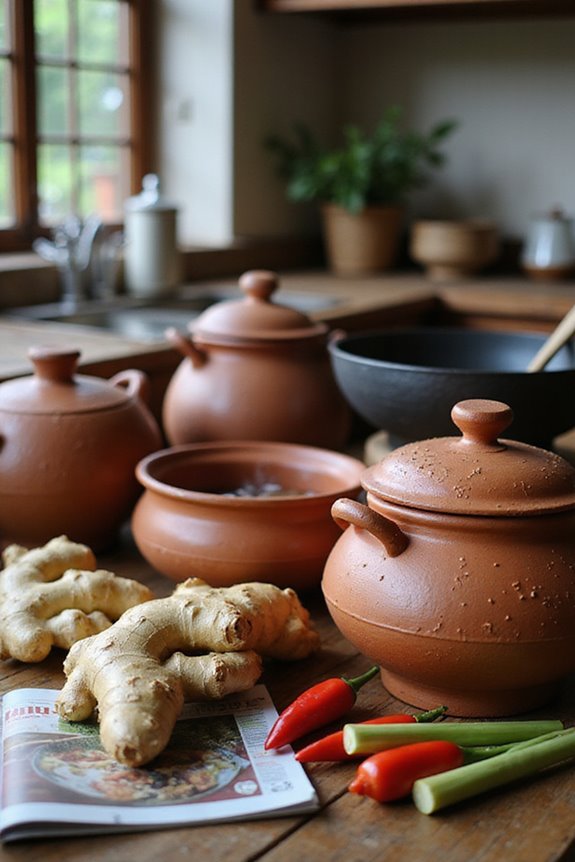
Soaking techniques can be a delightful way to rescue food stuck to our beloved clay pots! With a little patience and the right approach, we can effectively banish those pesky residues. Here’s how we can do it:
- Soaking Duration: Let’s soak our pots in cold water for at least 15 minutes, but up to 2 hours for stubborn bits.
- Soaking Temperature: Avoid hot water, as rapid temperature changes might crack our cherished pots.
For really tough messes, we can fill the pot with water and 1-4 tablespoons of baking soda and let it soak overnight. This magical mixture breaks down food particles while deodorizing! Additionally, proper cleaning methods ensure that our pots remain in excellent condition. Let’s scrub gently after soaking, and soon our pots will be ready for delicious, fresh meals again!
Recommended Products

STIFF BRISTLES AND WIDE USAGE: The bristle(dark bristle) of 2 pot brushes are made of stiff union fiber, and the bristle(light bristle) of another 1 pot brush is crafted with medium stiff tampico fiber. These palm pot brushes are well used for cleaning cast iron skillet, steel pots, pans, dishes, sinks, vegetables, tile, carpet, upholstery, etc.

Unique Design: Unlike traditional kitchen scrub brushes, this cleaning brush features a 90 angle and stiff bristles for easy reach into narrow spaces, effectively helps you to clean areas that are difficult to clean or stubborn stains

Flower pot bristle brush
Effective Cleaning Agents
Once we’ve soaked our clay pots and loosened the stuck food, it’s time to bring in the big guns—our effective cleaning agents! Let’s look at some delightful options:
- Chemical Disinfectants: A 10% chlorine bleach solution works wonders in just 10 minutes! Isopropyl alcohol (70%) is great for quick disinfection when soaking isn’t an option.
- Abrasive Cleaners: Baking soda sprinkled on brushes makes scrubbing pleasurable, and wire-bristle brushes help tackle stubborn crusts—just be gentle! Additionally, you can consider using eco-friendly materials that not only clean effectively but also support sustainability efforts.
Recommended Products

DURABLE AND RELIABLE: SetSail dish brush is made of durable hard bristles, which are wear-resistant, anti-flattening and not easy to deform. After use, it can be easily cleaned with soap without leaving any food residue and grease.

This small scrub brush features durable nylon bristles that resist bending, perfect for stubborn stains in tight spaces. Its black nylon fibers scrub tiles, grout, sinks, and more without damage. Deep blue handle for easy spotting!

Quality & sturdy bristles: High elasticity kitchen scrub brush with PET fiber bristles is not easy to deform. Ideal for cleaning, pot, pans, cast Iron skillet, sinks, bathroom and fixtures.
Safe Scrubbing Methods
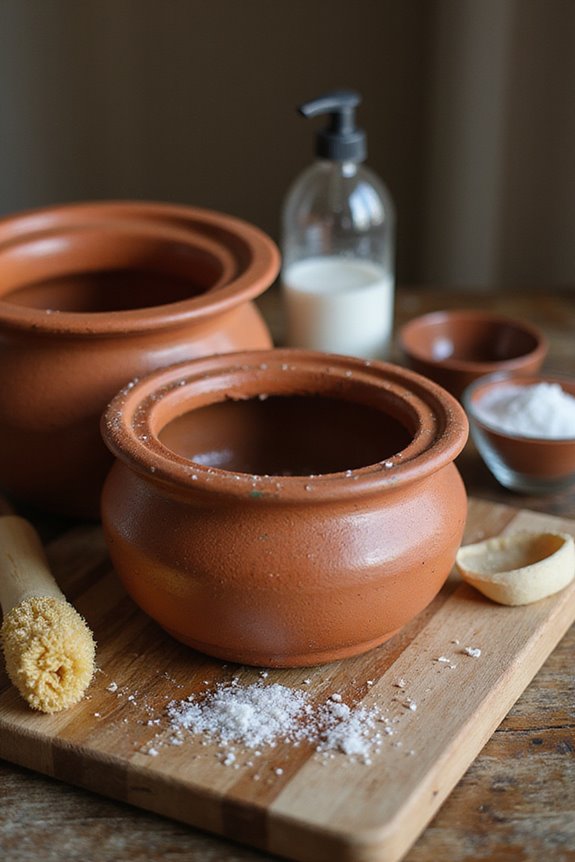
Safe scrubbing methods are the secret ingredient to keeping your beloved clay pots in tip-top shape! To guarantee we protect these delightful kitchen companions, we should use gentle scrubbers made from natural fibers like coconut or bamboo. These humble heroes make cleaning a magical experience without the risk of scratching.
Here are some of our favorite tools:
- Stiff Scrubbing Brush: For tougher spots.
- Soft Scrubbers: Perfect for those delicate areas.
- Sponge Scrubber: Specifically designed for clay pots to keep soap away.
Let’s remember to avoid soap, as it can seep into the porous clay and release into our delicious meals. With these simple, safe scrubbing methods, we can keep our clay pots happy and healthy! Additionally, using natural anti-bacterial properties from materials like bamboo can help keep our cleaning process hygienic and effective.
Recommended Products

Ergonomic & Long-Lasting: Enjoy comfort and precision with the long handle for effortless control. Crafted from high-quality, durable materials, this brush guarantees extended use and reusability, perfectly blending form with function.

Antimicrobial Bristle Protection*

【Cleaning Dishes & Pans】Perfect for washing dishes, cast iron pans, and other stubborn stains
Heat-Based Cleaning Strategies
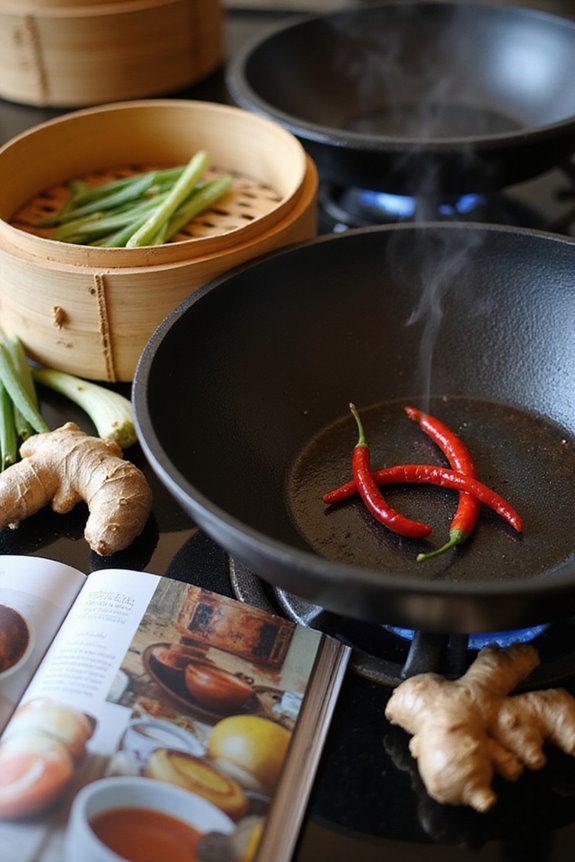
When it comes to restoring our beloved clay pots to their former glory, heat-based cleaning strategies can be an absolute game-changer! Let’s start this delightful process by filling our pot halfway with water and heating it gently over a medium flame. We’ll want to use gradual heating, ensuring our pot isn’t exposed to extreme temperatures. This magical method loosens food residue and even helps remove mold! Once the water reaches a slight boil, we discard it and give the pot a good rinse under running water. Remember, no sudden heat changes to prevent cracks—treat our pots with the care they deserve! Let’s embrace this fun way to care for our cherished kitchen companions! Furthermore, proper care and cleaning ensure that these high-quality ceramic pots last longer and perform better in your culinary adventures!
Recommended Products

BUILT-IN SCRAPER: for cleaning tough residues without harsh chemicals

【All-in-One Kit】Tired of a cluttered drawer full of single-purpose tools that never seem to be the right one when needed? You grab a greasy baking tray, but your sponge just smears the oil around, and your cloth gets stuck on burnt edges—nothing works. Our 6-Piece Dish Brush Set covers every cleaning need in one go. From dirty dishes and crusty pans to the kitchen sink and countertops, this all-in-one cleaning brush collection gives you everything with one purchase—solve all your home cleaning challenges with a single, cost-effective kitchen brush solution that actually cleans.

Soft Dish Brush: Soft bristles are suitable to tackle grease and grime yet functional to use on non-stick cookware. Built in scraper on brush head easily srubs stuck-on food. Great for cleaning dishes, pans, pots, sink, stoves and kitchen utensils.
Routine Maintenance Tips
Now that we’ve uncovered the magical world of heat-based cleaning, it’s time to sprinkle some routine maintenance tips into our clay pot care! To keep our pots in tip-top shape, let’s embrace regular inspection for cracks or chips. If we spot minor damage, addressing it promptly helps prevent bigger issues down the line.
Here are some delightful tips:
- Avoid Abrasive Materials: Scrub gently, like we’re handling fine holiday ornaments.
- Regular Cleaning: Stay on top of food buildup, and our pots will thank us!
- Store Properly: Keep them dry and protected from moisture. Additionally, using tools such as bamboo cutting boards can prevent knife slips while preparing ingredients, which minimizes the mess.
With these simple practices, we can guarantee our clay pots remain our trusty kitchen companions for years to come!
Addressing Burnt Residue and Stains
Addressing burnt residue and stains on our beloved clay pots can feel like a challenging task, but it’s totally manageable! First, let’s sprinkle some baking soda—our magical cleaning companion—onto those stubborn stains. Mix it with water to form a paste and let it sit for a while before gently scrubbing. For deeper cleaning, we can deglaze by simmering water with a splash of vinegar, helping to loosen burnt food.
If we’re feeling citrusy, boiling water with lemon slices is a delightful option. After boiling, just scrub gently, rinse well, and let it air dry. Remember, patience is key! With these cheerful techniques, we can keep our charming clay pots looking fabulous and ready for the next culinary adventure.
Recommended Products

MULTI-SURFACE CLEANING PASTE: Shadazzle cleaning paste is a natural cleaner and all purpose cleaner designed for cookware, glass, ceramic and stainless steel surfaces throughout the home
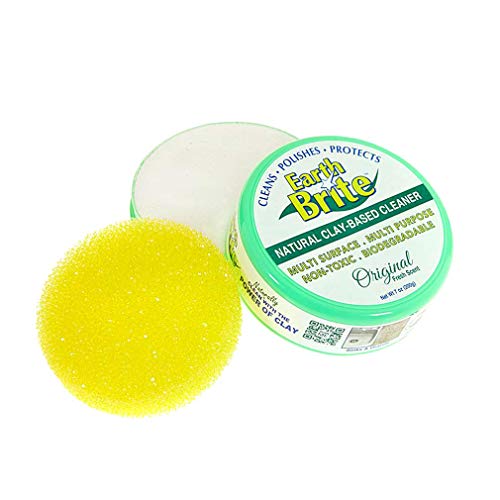
CLEAN, POLISH, AND PROTECT IN JUST ONE STEP! Experience an incredible all-in-one product that cleans, polishes, and protects for a spotless shine. Earth Brite’s multi-purpose cleaner works wonders on a multitude of surfaces without leaving streaks.

CLEAN, POLISH, AND PROTECT IN JUST ONE STEP! Experience an incredible all-in-one product that cleans, polishes, and protects for a spotless shine. Earth Brite’s multi-purpose cleaner works wonders on a multitude of surfaces without leaving streaks.
Can I Use Vinegar for Cleaning Clay Pots?
Absolutely, we can use vinegar for cleaning clay pots! Its benefits include breaking down deposits, killing unwanted microbes, and keeping our pots looking great. It’s safe, effective, and a natural choice we all appreciate together!
How Often Should I Season My Clay Pot?
Ah, the mystical art of clay pot maintenance! We should season our beloved pots every few uses or when they start showing signs of wear. Let’s keep them happy, flavorful, and ready for our culinary adventures together!
Are There Specific Brands of Baking Soda Recommended?
When it comes to baking soda brands, we recommend choosing quality ones like Frontier Co-op or ARM & HAMMER. They’re trusted for their effectiveness, making our cleaning tips for various tasks even more reliable and enjoyable together.
Can I Use Electric Appliances to Clean Clay Pots?
When we think about cleaning techniques for clay pots, we should remember: avoid electric appliances, embrace gentle methods, and prioritize clay pot maintenance. Together, we’ll guarantee our beloved pots stay in great shape for cooking!
What Types of Food Can Cause Stubborn Residues?
We’ve all faced the challenge of sticky sauces and baked dishes leaving stubborn residues behind. It’s frustrating, but recognizing these culprits helps us avoid clingy messes and enjoy our cooking together even more!