As an Amazon Associate, we earn from qualifying purchases. Some links on this site are affiliate links at no extra cost to you. Our recommendations are based on thorough research and editorial judgment.

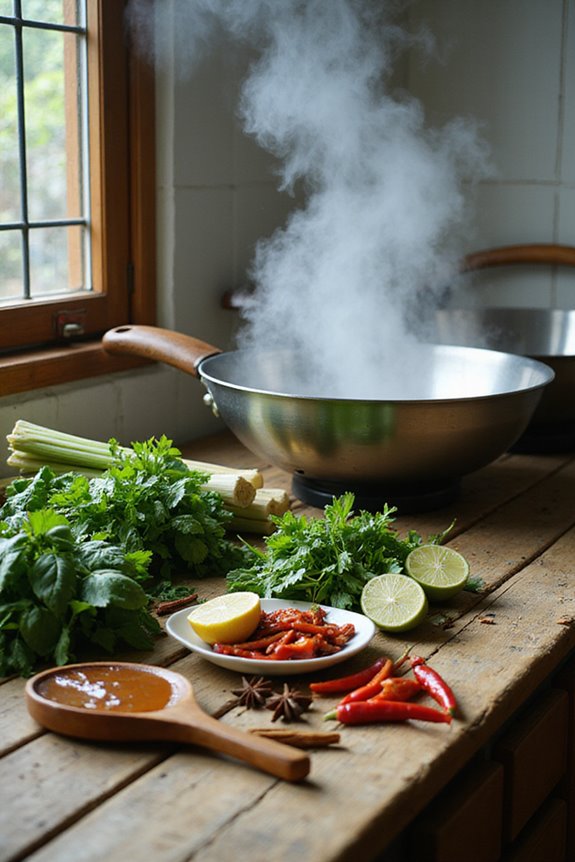
What Are The Key Flavors In Vietnamese Cooking?

In Vietnamese cooking, we experience a delightful mix of key flavors that make every dish magical! We balance the five fundamental tastes:
- Sour brightens soups.
- Salty enriches umami.
- Sweet adds a gentle touch.
- Bitter gives depth.
- Spicy wakes our taste buds.
With fresh herbs, zesty spices, and hearty proteins, we create savory dishes that dance on our palates. Stick around to discover all the vibrant ingredients that make Vietnamese cuisine truly special!
Key Takeaways
- Vietnamese cooking highlights the five fundamental tastes: sour, salty, sweet, bitter, and spicy, creating a balanced flavor profile.
- Fresh herbs like lemongrass, mint, and cilantro play a crucial role in brightening dishes and enriching flavors.
- Essential spices such as cinnamon, star anise, and ginger add depth and unique warmth to traditional recipes.
- Common proteins including fish, pork, chicken, and shrimp are expertly prepared using grilling, steaming, and slow cooking techniques.
- Staple ingredients like fish sauce, rice varieties, and crispy fried shallots enhance umami and crunchiness in meals.
The Five Fundamental Tastes
Let’s explore the five fundamental tastes:
- Sour: Brightens flavors, often in soups and dipping sauces.
- Salty: Derived from fish sauce, enhances umami.
- Sweet: Natural sweetness adds balance without being overpowering.
- Bitter: Complexity from mild ingredients like bitter melon adds depth.
- Spicy: Chili peppers and ginger invigorate our palates.
Together, these elements create flavor harmony. Embracing them is like hosting a joyful holiday feast—inviting and satisfying! The balance of authenticity and cultural insights is key to understanding that each ingredient contributes uniquely to the overall dish. So, let’s get cooking and celebrate these tastes together!
Essential Herbs and Vegetables
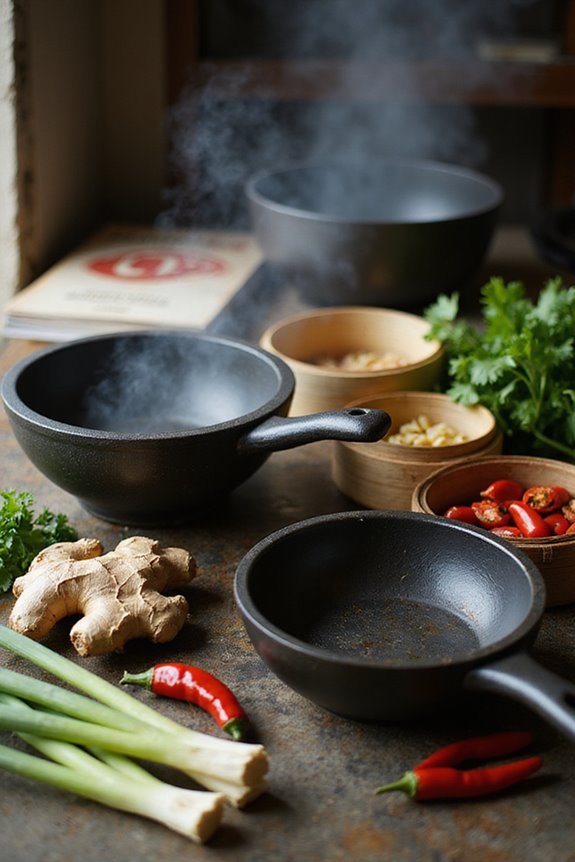
When we immerse ourselves in Vietnamese cooking, the vibrant world of herbs and vegetables becomes an essential part of our flavor adventure. These magical herb varieties add a delightful twist to every dish! For instance, Lemongrass brings a citrusy zing, while Mint and Cilantro brighten up salads and soups.
Let’s not forget about our core vegetables! Spring Onions and Garlic Chives give an aromatic kick, essential for stir-fries.
We can’t overlook unique selections too. Perilla and Fish Mint offer bold flavors that enhance our meals. When we incorporate these herbs and vegetables into our cooking, we embrace the freshest tastes of Vietnam. Air frying fish cakes offers a healthy cooking method that ensures a crunchy texture while retaining moisture. So, let’s plunge into and let our dishes flourish with these amazing ingredients!
Recommended Products

AUTHENTIC SPICE DOMINANT: Culantro is the essential dominant herb for national cuisines. This culinary powerhouse offers immense potential for traditional and fusion dishes alike. Each pack contains 360 high-quality, Non-GMO American seeds for a stable supply of fresh, vibrant leaves.

Grow Authentic Asian Greens at Home: Enjoy Filipino and Vietnamese dishes with ease by planting these 1000 Kangkong Seeds, also known as Rau Muong or Kong Xin Cai. They thrive in garden beds or containers, making them a top choice for both beginners and expert gardeners.

AUTHENTIC THAI BASIL FLAVOR - Sweet Thai basil delivers a bold anise and licorice aroma and spicy flavor from large green leaves on dark purple stems; ideal for Thai, Vietnamese, and Southeast Asian cooking, stir fries, curries, and fresh garnishes
Key Spices and Flavoring Agents
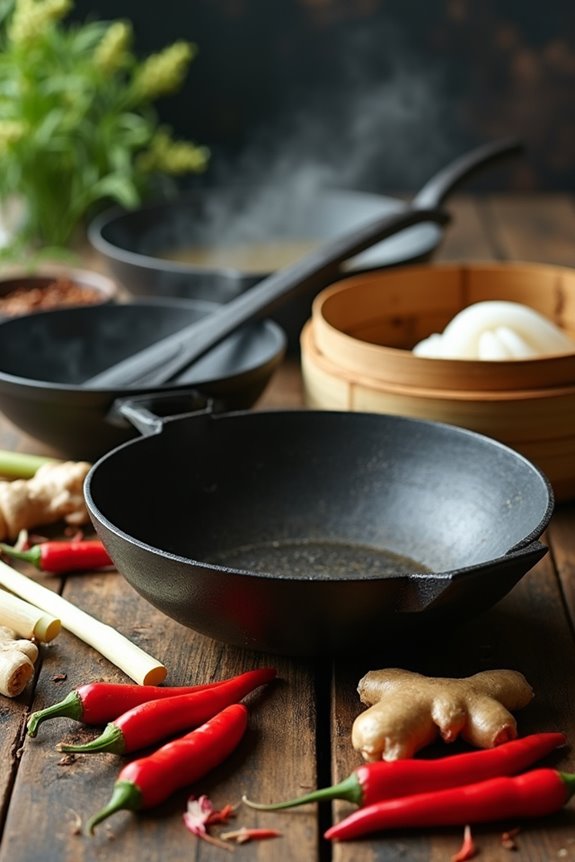
In the delightful domain of Vietnamese cuisine, spices and flavoring agents are the magic wands that transform ordinary dishes into extraordinary meals! Let’s explore a few key players that create unforgettable flavor profiles:
- Pepper: The floral spice that adds a kick!
- Cinnamon & Star Anise: A classic combo found in Pho that warms our hearts.
- Ginger & Lemongrass: Together, they create a revitalizing zing in soups.
- Turmeric & Galangal: They bring a vibrant punch to curries.
To enhance your culinary creations further, you might consider incorporating Gochugaru chili flakes, which introduce a unique fruity flavor profile that can elevate various dishes. When we mix these spice pairings, we elevate our dishes to new heights. Don’t hesitate to experiment! The joy of cooking lies in discovering how these spices enhance our meals, bringing us closer to the rich tapestry of Vietnamese culture. Let’s spice it up!
Recommended Products
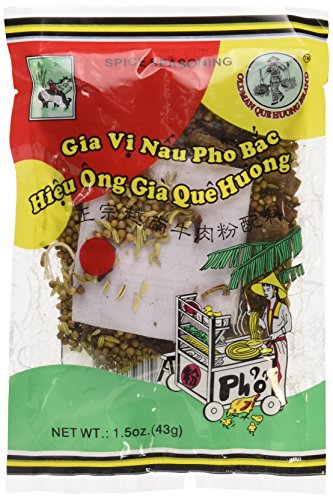
Vietnamese "Pho" Spice Seasoning - All in One Package

Authentic Pho Broth Flavor – Traditional Vietnamese spice blend crafted to create rich, aromatic pho soup broth at home

AUTHENTIC VIETNAMESE FLAVOR. Crafted with a perfectly balanced blend of anise seed, cinnamon, fructus amomi, fennel seed, clove, and coriander seed for an aromatic, restaurant quality pho broth at home.
Common Proteins and Preparation Styles
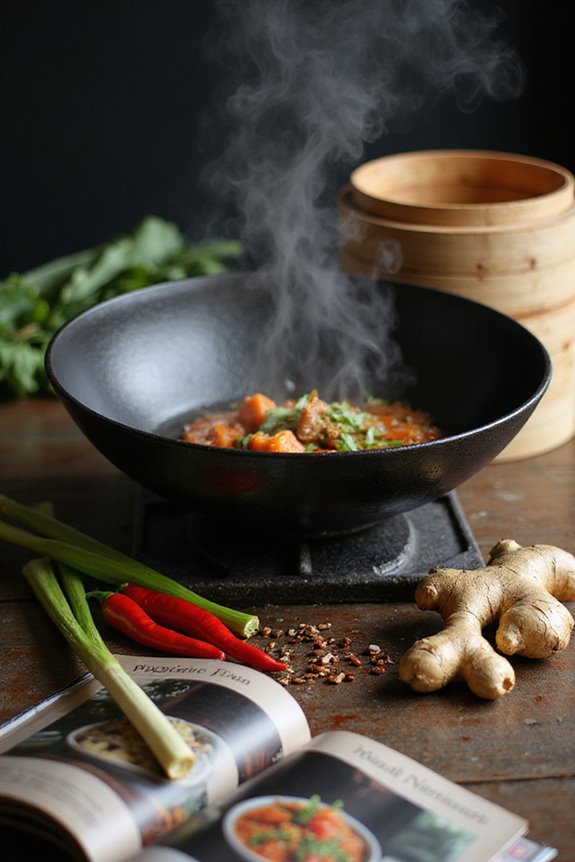
Exploring the common proteins and preparation styles in Vietnamese cooking is like opening a treasure chest of culinary delights! We immerse ourselves in a world where fish varieties reign supreme, with dishes featuring salmon, catfish, and tilapia prepared steamed, sautéed, or caramelized. Pork takes center stage in grilled goodness like bún chả, while chicken finds its way into delightful bowls of phở gà.
Don’t forget shrimp – they’re light and protein-packed, perfect for fresh spring rolls. Cooking methods matter too! Grilling keeps things juicy, steaming preserves flavors, and slow cooking gives our dishes that deep, magical taste. Traditional cooking techniques play a crucial role in enhancing the overall experience. Let’s celebrate these delightful protein sources that make Vietnamese food so irresistible! Ready to cook up some joy?
Recommended Products

PREMIUM VIETNAMESE ANCHOVY FISH SAUCE 42N Made from premium anchovies using traditional Vietnamese fermentation for naturally rich umami flavor

JUST TWO INGREDIENTS: We use only sea salt and black anchovies caught off of the crystal clear waters of Vietnam’s Phú Quốc archipelago
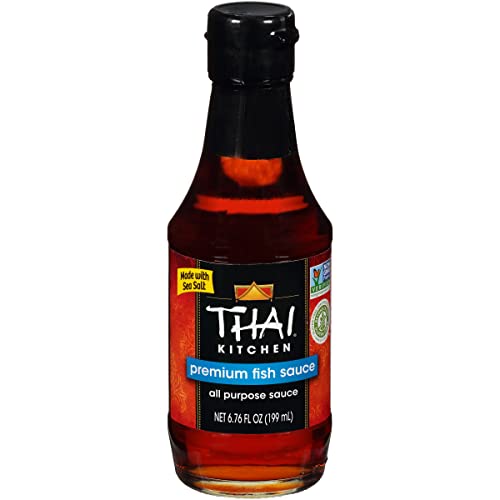
Premium Fish Sauce carefully crafted from the pressing of salted anchovies
Staple Ingredients and Accompaniments
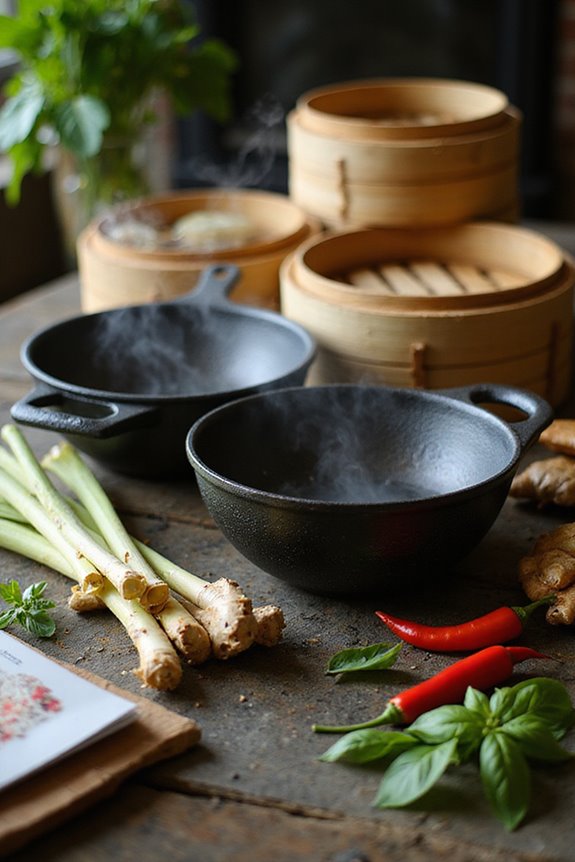
Staple ingredients are the heart and soul of Vietnamese cooking! They’re not just food; they’re the magic that brings our favorite dishes to life.
Rice Varieties:
- Jasmine rice, with its delightful fragrance, serves as the base for pho and banh xeo.
- Sticky rice shines during special occasions like Tết, our Vietnamese New Year.
Essential Condiments:
- Fish sauce (nước mắm) is our secret weapon, adding that savory oomph we all crave.
- Fresh herbs like cilantro, mint, and basil brighten our meals with vibrant flavor.
Don’t forget those crispy fried shallots for a special crunch! Embrace these ingredients, and you’ll feel the warmth of Vietnamese kitchens no matter where you are. Cooking is a delicious adventure—let’s plunge into it together! Additionally, incorporating ingredients like soy sauce for depth and umami can elevate traditional recipes and enhance flavor profiles.
Recommended Products

vegan, plant-based

JUST TWO INGREDIENTS: We use only sea salt and black anchovies caught off of the crystal clear waters of Vietnam’s Phú Quốc archipelago

PRODUCED & BOTTLED IN PHU QUOC ISLAND: premium fish sauce, fermented & bottled directly in Phu Quoc barrel house.
Regional Flavor Influences and Signature Dishes
Vietnamese cuisine is a delightful tapestry of flavors, each region weaving its unique story into every dish. We see regional variations influenced by climate and local ingredients. For instance, in the north, you’ll find subtle dishes like Bun Cha and Cha Ca La Vong, emphasizing balance with black pepper. Meanwhile, central Vietnam revs it up with spicy masterpieces like Bun Bo Hue. The south dances with sweet and tangy goodness, showcasing dishes like Com Tam and Goi Cuon. These flavors owe much to cultural exchanges with nearby countries. So, let’s explore these culinary wonders together, celebrating every bite as a taste of history and harmony! Cooking Vietnamese dishes will surely be a delightful adventure! Additionally, the use of non-stick surfaces in cookware can greatly enhance the preparation of these flavorful dishes.
Recommended Products

Premium stoneware (ceramics) made from high quality fine clay, glaze-fired twice with a natural glaze. Simple yet elegant design makes your food stand out and look beautiful. Giftable packaging.

【Korean Yellow Ramen Pot】Korean pot for ramen is Korean cookware made of aluminum, Additional components Spoon and Chopsticks are provided, which is perfect for Ramyun, instant curry, kimchi jjigae, soup, stew, more dishes, etc.

How Does Vietnamese Cuisine Compare to Other Southeast Asian Cuisines?
When we explore Southeast Asian cuisines, we notice how Vietnamese spices harmonize with the vibrant Southeast Asian herbs, creating dishes that reflect rich cultural exchanges, emphasizing freshness and community, much like our regional neighbors.
What Are Popular Vietnamese Street Foods to Try?
Sure, we claim to love authentic Vietnamese food, yet we often overlook delicious street treats. Let’s embrace this irony! From savory pho variations to the ever-popular banh mi, exploring these flavors brings us together!
Are There Vegetarian Options in Vietnamese Cooking?
We’ll find delicious vegetarian options in Vietnamese cooking, featuring plant-based dishes like tofu stir-fries and herb-packed salads. Plus, there’re great vegetarian substitutes for traditional ingredients that everyone can enjoy together.
How Can I Recreate Vietnamese Flavors at Home?
To recreate Vietnamese flavors at home, we can explore vibrant herb combinations and aim for flavor balance. Let’s marinate with fresh herbs, use fish sauce, and embrace the bright, bold tastes that connect us all.
What Beverages Complement Vietnamese Dishes?
When exploring drink options that complement Vietnamese dishes, we should consider tea pairings like lemongrass and lotus tea, or invigorating beverages like cà phê sữa đá and nước mía for a delightful dining experience.