As an Amazon Associate, we earn from qualifying purchases. Some links on this site are affiliate links at no extra cost to you. Our recommendations are based on thorough research and editorial judgment.

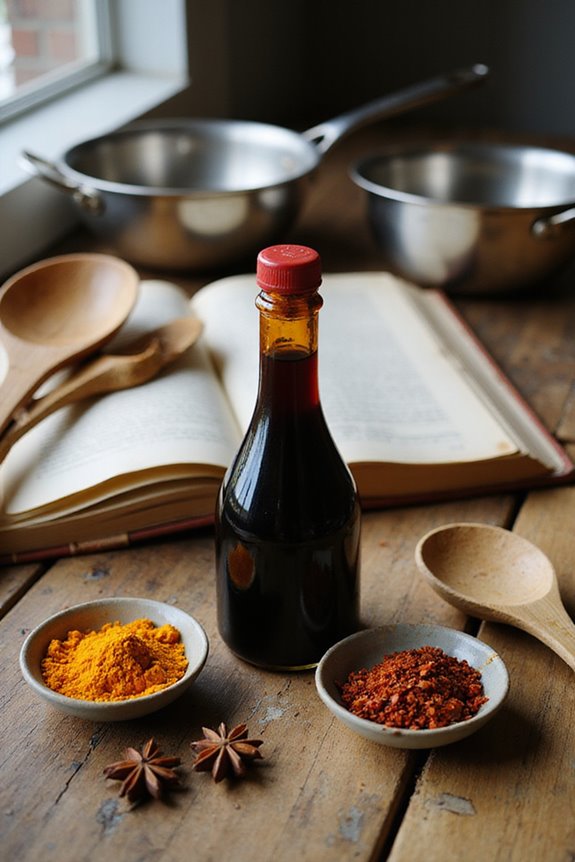
What’s The Proper Way To Store Soy Sauce?

To store soy sauce properly and keep its magical flavor intact, we should follow a few delightful steps! First, let’s always seal the cap tightly after use and store it in the fridge—this will help it last 2–3 years. Using glass containers can avoid air exposure, plus they look fabulous on our shelves! Remember to check for spoilage signs like sour smells or cloudiness. Stick with us to uncover even more soy sauce secrets for our culinary adventures!
Key Takeaways
- Seal the cap tightly and store opened soy sauce in the fridge to slow oxidation and preserve flavor.
- Use glass or airtight containers to minimize air exposure and maintain the sauce’s rich flavor.
- Keep soy sauce away from light by storing it in opaque containers or dark cupboards.
- Use clean utensils when pouring to avoid contamination and spoilage.
- Check for signs of spoilage, like off odors or cloudiness, and discard if present.
Understanding Soy Sauce Preservation
When we think about enjoying our delightful soy sauce, we might not realize just how important proper preservation is to keep that magical flavor alive! To maintain the rich flavor enhancement from the fermentation process, we need to be mindful of a few key practices:
- Seal it Tight: Always twist that cap back on tightly after each use.
- Cooler is Better: If we can, let’s store our soy sauce in the fridge to slow down oxidation.
- Choose Glass: Opting for glass containers can help keep the air out better than plastic. Additionally, airtight bottles can significantly reduce oxidation and enhance the preservation of flavor over time.
Ideal Storage Conditions

To keep our soy sauce tasting as delightful as the day it was opened, we must understand the ideal storage conditions. Here’s our guide to preserve those magical flavor profiles:
- Cool, Dark Place: Unopened soy sauce can last 2–3 years. After opening, let’s chill it in the fridge for best flavor, extending freshness to 2–3 years versus just 6–12 months at room temperature.
- Avoid Light: Light breaks down flavor. Let’s store bottles in opaque containers or cupboards to keep them safe. Never near bright kitchen lights!
- Seal It Up: Oxygen leads to flavor loss, so let’s tightly seal our bottles after each use. A clean spoon goes a long way too! Low sodium soy sauces maintain rich umami flavors, making proper storage essential for preserving their delightful taste.
With these tips, our soy sauce will remain vibrant and delicious for all our culinary adventures!
Recommended Products
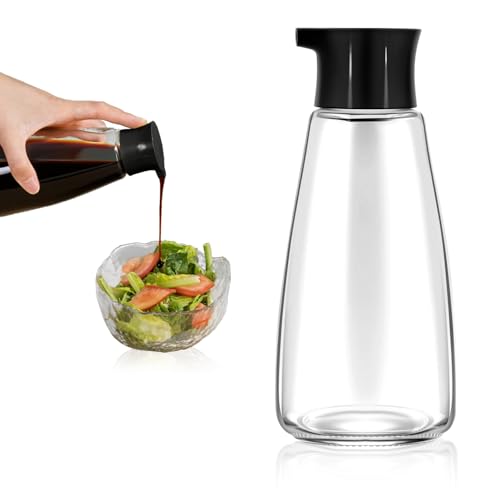
1、Generous 9.6 oz (285ml) Capacity – This large soy sauce dispenser holds ample liquid (6.3" x 2.76" x 2.76"), reducing refills while fitting perfectly in kitchens, restaurants, or BBQ setups.

Large-Capacity Storage Design to Enhance Kitchen Performance: Our soy sauce bottle is thoughtfully designed with an impressive capacity of 250 ml and compact dimensions of approximately 2.6 x 2.6 x 5.24 inches.

Two flow speeds let you drizzle or pour oil or vinegar with precision
The Impact of Temperature on Quality

Understanding how temperature affects the quality of our beloved soy sauce is key to maintaining its delightful flavor profile. When it comes to temperature effects, we see that warm recommendations can lead to quicker oxidation. This ultimately dulls our favorite flavor notes.
The Delight of Refrigeration:
- Storing opened soy sauce in the fridge can extend its life and keep those magical flavor nuances intact for up to 2-3 years.
- Cooler temps slow down those tricky microbes, helping our sauce maintain flavor stability. Additionally, gluten-free soy sauces often benefit from refrigeration to preserve their distinct taste and quality.
Recommended Products

Soy Sauce Dispenser with 3 modes: Sealed and two flowing speed which lets you drizzle or pour soy sauce or vinegar with precision.

Generous 10 oz Capacity & Space-Saving Design Holds a full 300ml (10 oz) of liquid. The sleek 6.3" x 2.76" x 2.76" body fits comfortably in your hand and stores easily on countertops, in cabinets, or even in refrigerator doors—perfect for home kitchens, restaurants, and BBQ setups.

Nice push button dispensing for dripless use!
Signs That Soy Sauce Has Spoiled

We all love a splash of umami magic in our dishes, but spotting the signs that soy sauce has spoiled is essential to keeping our culinary experiences delightful. Here are some spoilage indicators to watch out for:
- Odor Changes: If you catch a sour or funky smell, it’s time to say goodbye. Fresh soy sauce should smell savory, not musty!
- Visual Cues: Cloudiness or unusual sediment? That’s a warning sign! Also, mold growth is a big no-no.
- Taste Alterations: A taste that’s metallic or sour means it’s gone bad. Trust your taste buds—they’re your best friends in the kitchen! Additionally, oxidation of oils in soy sauce can contribute to off-flavors and spoilage.
Recommended Products

Helper of controling portion: You will get 6 sets 2.7 OZ small freezer containers. Perfect for prepareing your homemade food. It helps us precisely control the quantity, type and state of each kind of food. Perfect size for packing sauces, salad dressings, peanut butter, jams, dressings, snacks, etc.
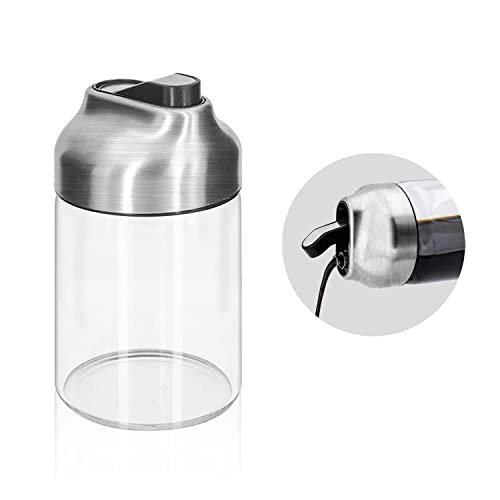
Automatic Cap Design: The weighted pourer is no drip and open automatically when pouring. The sealed lid protects against mosquitoes.
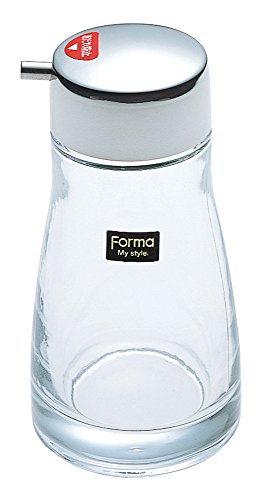
Size: Width 2.4 x Depth 2.4 x Height 4.3
Best Practices for Handling and Packaging

When it comes to keeping our beloved soy sauce fresh and flavorful, a little TLC goes a long way! Let’s keep things delightful by always using clean utensils. This helps us avoid contamination and keeps our soy sauce pristine. Remember, sealing the bottle tightly after every use limits oxidation and preserves that magical flavor we all love.
Here are some tips for handling and packaging our soy sauce:
- Store it in a cool, dark place to prevent spoiling.
- Keep it away from strong-smelling foods; we don’t want our soy sauce absorbing any unwanted flavors.
- Check for any cap damage; a quick peek can save our sauce’s quality! Additionally, choosing soy sauces that utilize traditional fermentation methods can enhance their durability and flavor profile.
Recommended Products

DIMENSION OF EACH OIL BOTTLE AFTER INSTALLING THE OIL SPOUT: 11.8 inch x 2.16 inch x 2.16 inch ( L x W x H )

Generous Storage: designed with utility in mind, the large soy sauce dispenser features a generous capacity of 285 milliliters/ 9.6 ounces; Measuring 6.30 inches x 2.76 inches x 2.76 inches, this large-capacity bottle adds functionality and practicality to your kitchen, accommodating sizable quantities of liquid and reducing the frequency of refills

Enhanced Kitchen Efficiency with Large Capacity Storage: our 2 pieces soy sauce dispensers feature a thoughtful design with an impressive capacity of 285 ml/ 9.6 ounces; Measuring about 6.30 x 2.76 x 2.76 inch, this large container adds functionality and effectiveness to your kitchen by accommodating copious amounts of liquid and reducing the frequency of refills
Recommended Usage Timeline After Opening
Even though soy sauce is a staple in our kitchens, knowing when to use it can feel like maneuvering a holiday party with a buffet of flavors! To keep our opened soy sauce delightful, we should aim to use it within 3 to 6 months for peak flavor retention. Storing it in the fridge can allow it to maintain its magical umami punch for up to six months or even 2 to 3 years!
Remember:
- A foul smell or color change signals it’s time to say goodbye.
- If it’s kept sealed and away from heat, we’re in business! It’s also important to note that using airtight seals can greatly enhance the freshness of opened sauces.
Recommended Products

For Everyday Soy Sauce Serving - Use this 2-piece glass soy sauce dispenser set for soy sauce, shoyu, vinegar, olive oil, and other liquid condiments at the kitchen counter or dining table.

[ NON-DRIP DESIGN ] - Airtight Silicone gasket Ensure No leakage and NO MESS ,Perfect Pouring without any spilling, sloping or leaking, Keep your kitchen Clean and NO Messy.

A Must in Your Kitchen: Upgrade your kitchen and cook with style with our oil and vinegar bottles! Small and handy, these sauce bottles help you season everything with ease and bring flavor to your dishes while ensuring a clean and neat kitchen.
Can I Use Soy Sauce Past Its Best-By Date?
We can safely use soy sauce past its best-by date if it’s been stored properly. While the flavor may diminish, it’s generally still safe. Let’s regularly check for any signs of spoilage together.
What Types of Soy Sauce Require Different Storage Methods?
When it comes to soy sauces, we should remember that light soy typically thrives when refrigerated after opening, while dark soy can sit at room temperature but benefits from cooling to maintain its rich flavor.
Does Soy Sauce Freeze Well for Long-Term Storage?
Can we truly rely on freezing soy sauce for long-term storage? We’ve found it doesn’t freeze well due to its high salt content, which impacts flavor, so let’s consider better methods to keep it fresh!
Can I Store Soy Sauce in Metal Containers?
When it comes to metal container safety, we should be cautious. While metal can hold soy sauce, it risks leaks and altered flavors. Let’s opt for glass or PET bottles instead to guarantee quality and taste.
Is It Safe to Reuse an Old Soy Sauce Bottle?
When it comes to reusing that old soy sauce bottle, we need to prioritize bottle cleaning. If we guarantee proper hygiene and reuse safety, it’s generally okay—but let’s be cautious to avoid potential contamination!