As an Amazon Associate, we earn from qualifying purchases. Some links on this site are affiliate links at no extra cost to you. Our recommendations are based on thorough research and editorial judgment.


How Long Does Soy Sauce Last After Opening?

When we unseal a bottle of soy sauce, it’s like revealing a delightful flavor treasure! Typically, it lasts about 3 to 6 months in the fridge, keeping that magical umami punch. For the best quality, we ought to always seal it tight after use. If it changes color or develops an odd smell, we realize it’s time to say goodbye. Want to keep that flavor party going longer? Let’s explore some awesome storage tips!
Key Takeaways
- Opened soy sauce can last several months, with optimal flavor for 3 to 6 months when stored in the refrigerator.
- Refrigeration can extend soy sauce’s usability up to 2-3 years after opening if stored properly.
- Check for signs of spoilage such as off odors, unusual texture, or color changes before use.
- Avoid storing opened soy sauce at room temperature, as it significantly shortens shelf life.
- Always seal the bottle tightly after each use to prevent oxidation and flavor loss.
Understanding Soy Sauce Shelf Life
When it comes to understanding soy sauce shelf life, we’re diving into a delightful world of flavors! 🌟 We might think that once we’ve popped open that bottle, we can keep it indefinitely, but that’s not quite the case. Typically, the fermentation process gives soy sauce its rich umami, but it doesn’t last forever after opening.
Here are some key points to remember:
- The best flavor profiles shine within 3 to 6 months when refrigerated.
- If we’re feeling adventurous and use it often, we might notice a change in flavor after six months.
- Storing at room temperature? That’ll last a few months, but it’s not ideal. Additionally, always check the sodium content as some low sodium options may have unique flavor stability.
Optimal Storage Conditions for Soy Sauce
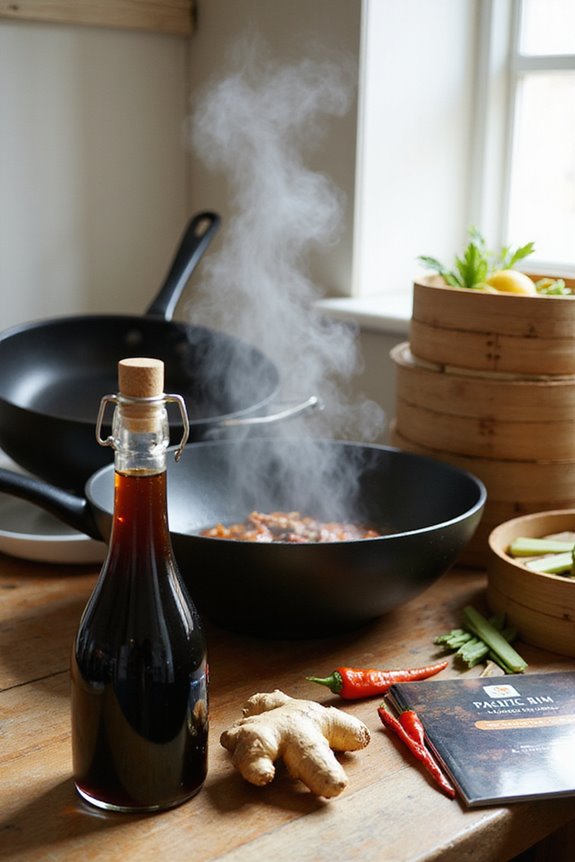
To keep our soy sauce fresh and flavorful, it’s crucial to evaluate ideal storage conditions. Here are some easy tips to guarantee our beloved condiment stays delightful:
- Shelf Conditions: Store unopened bottles in a cool, dry, dark pantry. Once opened, let’s keep it in the fridge.
- Storage Containers: Tightly seal the cap after each use to prevent flavor loss. Why not opt for airtight glass or plastic bottles? They’re magical!
We should avoid placing soy sauce near heat sources, like stovetops. A little care goes a long way! Remember, labeling the opening date helps us monitor freshness. If we follow these steps, our soy sauce can be a fantastic addition to our meals for months to come! Additionally, checking for gluten-free certification can ensure that the soy sauce is suitable for those with dietary restrictions. Now, let’s plunge into some delicious dishes!
Recommended Products

Large-Capacity Storage Design to Enhance Kitchen Performance: Our soy sauce bottle is thoughtfully designed with an impressive capacity of 250 ml and compact dimensions of approximately 2.6 x 2.6 x 5.24 inches.
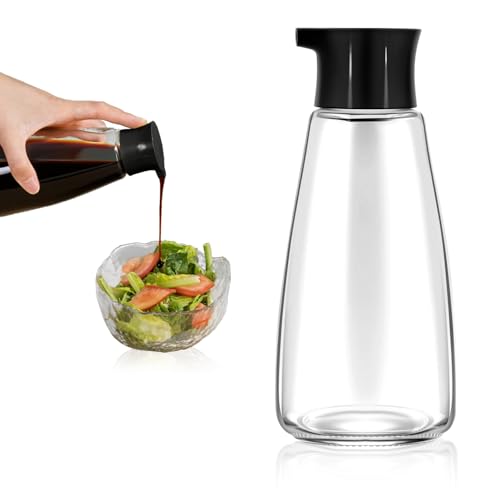
1、Generous 9.6 oz (285ml) Capacity – This large soy sauce dispenser holds ample liquid (6.3" x 2.76" x 2.76"), reducing refills while fitting perfectly in kitchens, restaurants, or BBQ setups.

Two flow speeds let you drizzle or pour oil or vinegar with precision
Impact of Refrigeration on Soy Sauce Longevity
Keeping our soy sauce fresh doesn’t just stop at ideal storage conditions; the impact of refrigeration on its longevity is just as important! By popping that opened bottle in the fridge, we can enjoy delightful flavor retention for up to six months—quite a magical improvement over just one at room temperature.
Here are some key refrigeration benefits:
- Slows Oxidation: This preserves soy sauce’s rich color and umami goodness.
- Extends Usability: Proper refrigeration lets us safely use soy sauce for up to 2-3 years! Additionally, air exposure can further accelerate degradation, making refrigeration even more beneficial for maintaining its quality.
Recommended Products

10 oz organic reduced sodium shoyu soy sauce


Soy Sauce in Dispenser
Signs Your Soy Sauce Has Gone Bad
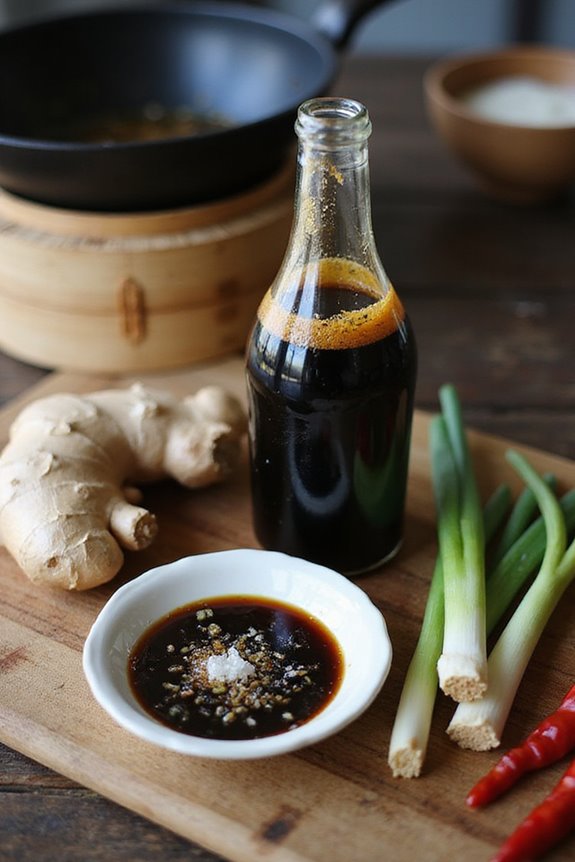
Soy sauce is a culinary wonder, but it doesn’t last forever! We understand how magical it can be in our favorite dishes, but let’s keep an eye out for signs of spoilage. If you notice any of these, it’s time to take action:
- Flavor Degradation: If the sauce doesn’t taste as salty and umami-rich as usual, that’s a red flag!
- Texture Changes: A thickened sauce or unwelcome slime is a sign of potential trouble.
- Unpleasant Odors: If it smells funky, it’s best to toss it out.
- Color Alteration: A darker shade means oxidation, which can affect its quality. Additionally, using 100% pure ingredients in your culinary creations can help ensure richer flavors and better quality.
Keeping track of these signs guarantees our dishes remain delightful and tasty!
Differences Between Naturally Brewed and Chemically Processed Soy Sauce
When we’re diving into the world of soy sauce, it’s essential to know the differences between naturally brewed and chemically processed varieties—after all, our culinary adventures deserve the best!
- Naturally Brewed Soy Sauce: Made through *natural fermentation*, it takes months to develop a delightful, complex flavor with just four ingredients: water, soybeans, wheat, and salt. The result? A magical taste experience!
- Chemically Processed Soy Sauce: In contrast, this variety is produced quickly using *chemical additives* and artificial flavors. It may last longer, but the taste can be one-dimensional and overpowering. Additionally, recipes using authentic ingredients often yield superior flavor profiles that enhance your cooking experience.
Recommended Products

EXTRAORDINARILY RICH DOUBLE BREWED SOY SAUCE - This authentic Japanese double-brewed soy sauce has been brewed twice for a more intense and umami-filled soy sauce experience. The double-brewing uses double the ingredients and double the aging time to achieve an exceptionally rich and luxurious umami flavor that cannot be achieved with just a single brew. Just one drop of this double-brewed soy sauce transforms simple dishes like eggs or bacon into gourmet meals. It’s the ultimate sushi soy sauce or sashimi soy sauce for deep, bold flavor.

Kikkoman Tamari Soy Sauce is a full-bodied seasoning with a deep, rich color and unique, fine flavor

INGREDIENTS: Kikkoman is a traditionally brewed Soy Sauce prepared from water, soybeans, wheat, and salt. Its complex flavor, delicate aroma, and appealing reddish-brown color complement and intensify the natural flavor, aroma, and color of foods without masking or overpowering
Factors That Affect Soy Sauce Taste and Quality
While we all adore the rich, savory delight of soy sauce, various factors can greatly affect its taste and quality.
- Ingredient Ratios: The balance of wheat and soybeans determines sweetness and umami. More wheat leads to a delightful sweetness!
- Fermentation Process: This magical journey creates complex flavor development through microbial activity. The longer it ferments, the richer the taste!
- Production Methods: Temperature can change aroma and flavor. High temps may evaporate some fabulously fragrant compounds.
- Storage Conditions: Keep it cool, dark, and sealed. Oxygen exposure can create off-flavors, so let’s keep our soy sauce sparkling! Additionally, storing soy sauce in cool, dark places helps maintain its quality, similar to how sesame oil is preserved.
The Importance of Proper Sealing and Cap Replacement
The magic of soy sauce doesn’t just hang on its delightful flavor; it also relies heavily on how we seal and store it. To keep our soy sauce fresh, we must master our sealing techniques! A tight cap prevents oxidation and keeps those incredible flavors intact. Let’s not forget about cap hygiene!
- Always replace or clean the cap after each use.
- Use an inner plastic cap for an extra layer of protection.
Recommended Products

36 Replacement Screw Caps and Orifice Reducers

Great Value Set: Each set includes 35 pack 5oz(150ml) hot sauce bottles with red screw caps and dripper orifice reducers, bonus 35pcs red PVC heat shrink capsules, 1 funnel, writing tags and a bundle of twine. These functional accessories will help you fill easily and mark.

Increase your speed of service with colored label caps
Recommended Usage Timeline for Opened Soy Sauce
Let’s talk about that delightful bottle of soy sauce that’s just waiting to elevate our dishes! For the best flavor experience, we should try to use it within the first six months after opening. Refrigeration can work magic by extending its quality, keeping it fresh up to six months longer. If we’re using soy sauce frequently—like for marinades or dressings—opting for newer bottles can really enhance our flavor preferences.
Here’s the scoop:
- Peak flavor? Within six months.
- Refrigeration trick? Slows oxidation!
- Last call? Though it lasts 2-3 years, let’s aim for that flavor boost soon!
Safety Considerations for Consuming Soy Sauce
When we explore the flavorful world of soy sauce, it’s important to keep safety considerations in mind. First up, soy sauce safety! While it’s generally safe to consume, we should be aware of its high sodium content, containing about 800 mg per tablespoon. Excessive sodium can lead to pesky bloating and heart issues, so those on a diet or with health conditions might want to take it easy.
Also, let’s chat about MSG sensitivity—some folks report headaches after eating foods with MSG. If you’re one of them, be cautious! Remember, it’s all about balance, so enjoy soy sauce in moderation, and let it add that delightful zing to your dishes without worry!
Tips for Extending the Life of Your Soy Sauce
After ensuring we’re enjoying soy sauce safely, it’s time to amp up our game and make sure that delightful little bottle lasts as long as possible. We can achieve magical soy sauce storage with just a few simple tips:
- Refrigerate: Keeping our soy sauce in the fridge helps preserve flavor and prevents oxidation.
- Seal It Up: Let’s remember to replace that inner cap after every use to keep air at bay.
- Cool & Dark: If we’re not refrigerating, a cool, dark spot is our best friend to avoid color changes.
- Keep It Clean: Always make sure the bottles and caps are dry and clean before storing.
Recommended Products

Helper of controling portion: You will get 6 sets 2.7 OZ small freezer containers. Perfect for prepareing your homemade food. It helps us precisely control the quantity, type and state of each kind of food. Perfect size for packing sauces, salad dressings, peanut butter, jams, dressings, snacks, etc.
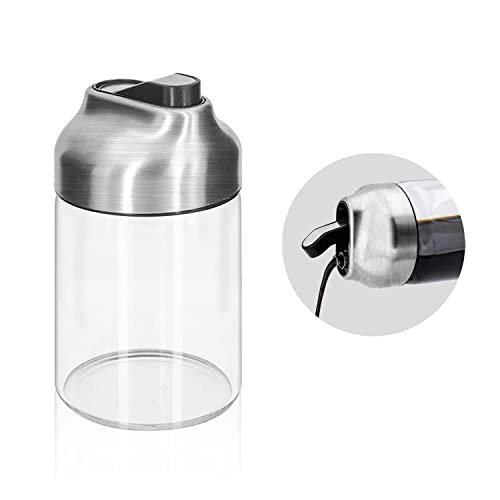
Automatic Cap Design: The weighted pourer is no drip and open automatically when pouring. The sealed lid protects against mosquitoes.
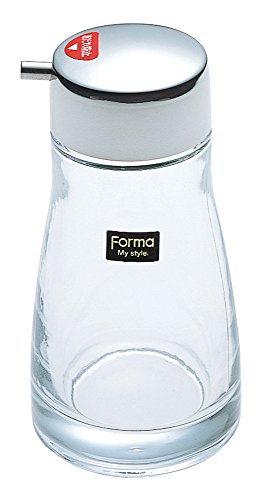
Size: Width 2.4 x Depth 2.4 x Height 4.3
Can Soy Sauce Be Frozen for Longer Storage?
Think of freezing soy sauce like wrapping a gift in layers. While freezing techniques offer soy sauce preservation, it may alter the flavor. Let’s stick to refrigeration for the best taste and aroma over time.
Does Soy Sauce Lose Its Flavor Over Time?
We acknowledge that soy sauce does experience flavor degradation over time. Proper storage conditions, like refrigeration, can help maintain its quality longer, ensuring we enjoy its rich taste together even as time passes.
What Dishes Can I Use Old Soy Sauce In?
When we think about using old soy sauce, let’s try it in soy sauce marinades or stir fries. It can deepen flavors, giving our meals that hearty, savory touch we all enjoy together.
Is There a Difference Between Light and Dark Soy Sauce?
When we explore light soy and dark soy, we notice they differ in flavor and texture. Light soy’s saltier and sharper, while dark soy’s richer and sweeter, perfect for enhancing our favorite dishes together.
Can I Mix Old Soy Sauce With Fresh Soy Sauce?
When mixing sauces, we can experiment with old and fresh soy sauce, but we should consider their flavor compatibility. It might change the taste, so let’s taste-test to guarantee it meets our expectations!