As an Amazon Associate, we earn from qualifying purchases. Some links on this site are affiliate links at no extra cost to you. Our recommendations are based on thorough research and editorial judgment.


What’s The Difference Between North And South Indian Cuisine?

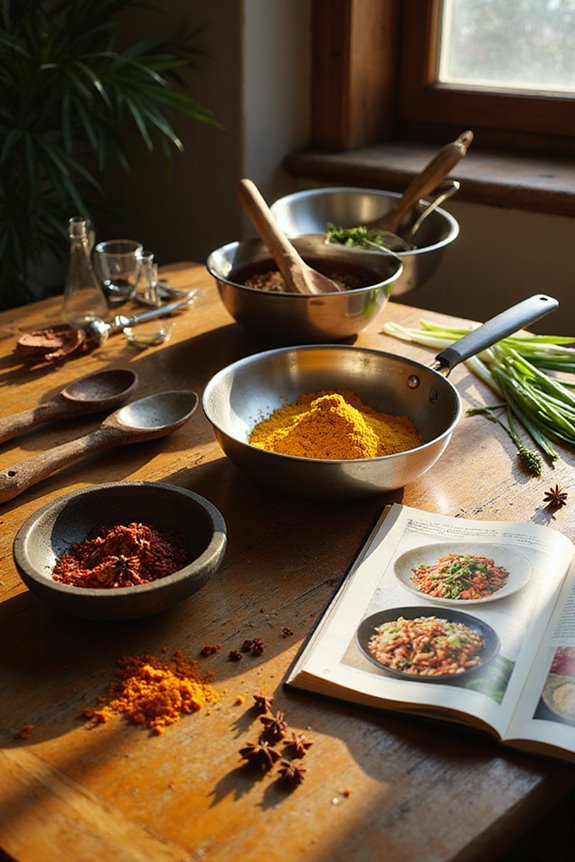
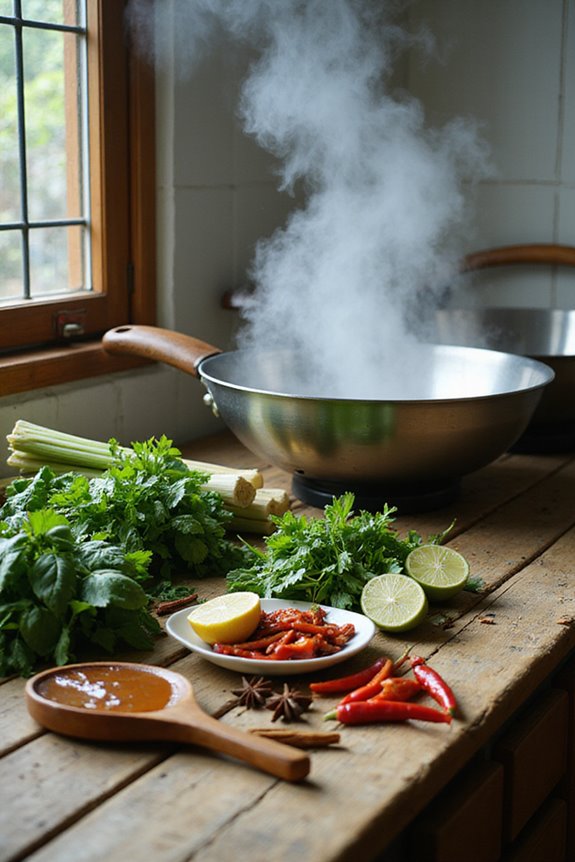
North and South Indian cuisines are like two delightful cousins at a family feast! In the North, we enjoy hearty breads like roti and creamy curries filled with warm spices. Down South, it’s all about rice, tangy flavors, and steaming idlis. Cooking techniques vary too; think tandoors in the North and fermentation for those magical dosas in the South. Each region has unique proteins and veggies, making every bite exciting! Stick around to uncover more culinary wonders!
Key Takeaways
- North Indian cuisine features bread-based staples like roti and naan, while South Indian cuisine emphasizes rice-based dishes such as idli and dosa.
- The flavor profiles differ, with North Indian dishes being creamy and rich, and South Indian dishes highlighting bright, tangy flavors.
- Cooking techniques vary; North India uses tandoor cooking and slow cooking, whereas South India employs steaming and fermentation methods.
- Nutritionally, South Indian dishes tend to be lower in calorie density compared to North Indian meals, which often include legumes and whole grains.
- Dietary preferences reflect regional diversity, with North India incorporating meats and dairy, while South India focuses on plant-based proteins and seafood.
Staple Ingredients and Grains
Here’s a fun twist—while we savor our comforting breads, let’s not forget that our friends in the South enjoy rice-based treasures like idli and dosa! These regional variations show how our climates influence our delicious choices. So, whether we’re flipping a warm paratha or enjoying a cozy dal, we can rejoice in the wonderful diversity of Indian staples together! Additionally, the choice of nutrient-rich solutions in both cuisines highlights how regional agriculture affects flavor and nutrition.
Recommended Products
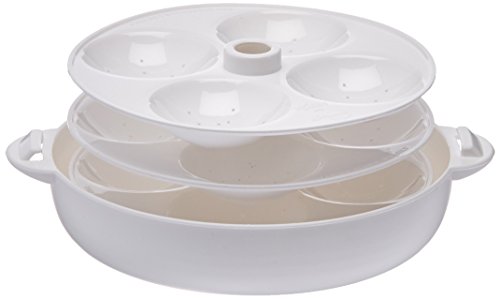
New high quality microwave Idli / Dhokla Cooker and steamer. Lightweight and a great buy for a modern kitchen

Stainless Steel Multi Purpose Kadai with 2 Idli Plate (8 Idlis) and Steel Lid, Silver. Induction and gas stove compatible.

PERFECT FERMENTATION EVERY TIME - IdliRise Pro is specifically designed for fermenting authentic dosa and idli batter with precise temperature control (30°C/86°F). No more guessing - get consistently soft, fluffy idlis and crispy dosas just like you'd make back home.
Flavor Profiles and Spice Usage
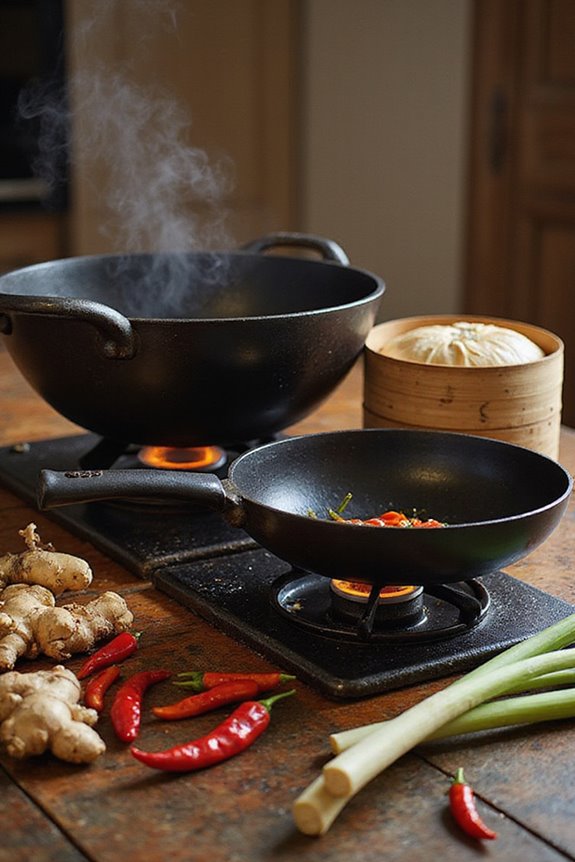
When we plunge into the world of flavor profiles and spice usage in Indian cuisine, we uncover a delightful journey that reflects the unique essence of each region. North Indian dishes are rich, creamy, and hearty, featuring warm spices like garam masala, cumin, and cardamom. Their secret? A magical blend of dairy, slow-cooked for deep flavor balance! South Indian cuisine, on the other hand, dazzles with its bright, tangy notes. Here, mustard seeds and curry leaves play prominently, delivering sharp bursts of flavor. The use of tamarind adds a delightful sour twist! Both regions showcase stunning spice combinations. Additionally, the emphasis on vegetarian and non-vegetarian options highlights the diversity of Indian culinary traditions. So, whether you’re indulging in butter chicken or a zesty dosa, there’s a flavorful adventure waiting for you!
Recommended Products
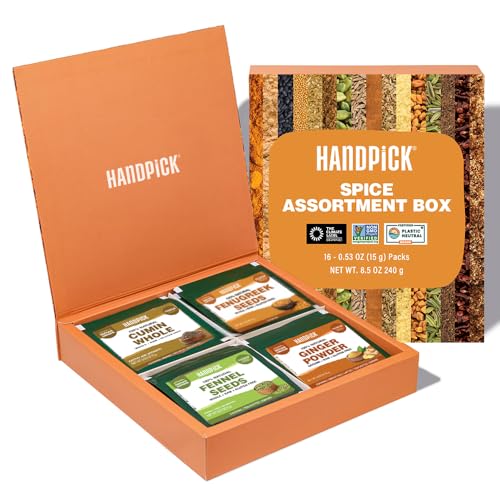
TREASURE CHEST OF EXOTIC SPICES - Elevate your culinary adventures with an assortment box of 16 all-natural spices. From the fragrance of cardamom to the warm cinnamon, our collection promises to transport your taste buds on a worldwide voyage. These premium spices are the key to unlocking a world of flavors, allowing you to create dishes that delight your senses. Spice Train ensures that every meal is a culinary masterpiece, bringing the world's diverse flavors straight to your kitchen.

IN THIS 6 PACK - Madras Curry Powder, Tandoori Masala (*contains trace amounts of wheat*), Chai Masala, Chaat Masala (*contains trace amounts of wheat*), Golden Milk, Garam Masala
![Spice Mix Recipes: Top 50 Most Delicious Spice Mix Recipes [A Seasoning Cookbook] (Recipe Top 50's Book 104)](https://m.media-amazon.com/images/I/61Boa6S4T6L._SL500_.jpg)
Cooking Techniques and Accompaniments
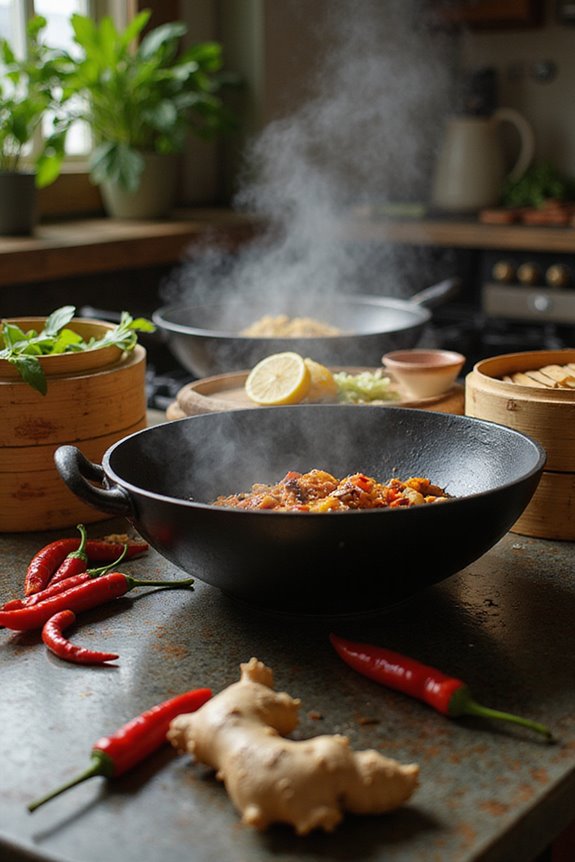
Cooking techniques and accompaniments offer a magical insight into the culinary adventures of North and South Indian cuisines! Both regions boast incredible cooking traditions influenced by their geography and culture.
North Indian Techniques:
- Tandoor Cooking: Perfect for smoky naan and juicy tandoori chicken.
- Slow Cooking: Think creamy butter chicken simmered to perfection.
South Indian Techniques:
- Steaming: Essential for fluffy idlis.
- Fermentation: Dosas get their yummy tang!
Staple Accompaniments:
- North: Enjoy rotis with rich gravies and yogurt.
- South: Immerse yourself in steaming rice paired with tangy sambar and coconut chutney.
Both cuisines often utilize a variety of curry powders to add depth and flavor to their dishes, enhancing the overall dining experience. Each meal is a delightful experience filled with flavors and traditions. So, whether you’re enjoying a festive feast or a cozy dinner, let’s celebrate these culinary delights together!
Recommended Products

Versatile Set: Includes a variety of spices, herbs, and seasonings for flavoring dishes.

YOU'LL LOVE OUR INDIAN SPICES - The most widely known and revered masala spices from the kitchens of india, this collection takes the intimidation out of Indian cooking.

Nutritional and Health Aspects
Exploring the magical world of North and South Indian cuisines leads us into a delightful discussion about their nutritional and health aspects. Both cuisines boast amazing nutritional balance, but in different ways!
- South Indian dishes, like idly and dosa, are lower in calorie density and packed with fermented goodness, promoting gut health.
- North Indian meals often include hearty ingredients, like legumes and whole grains, providing robust protein even if they’re a bit richer in fats.
Both cuisines emphasize plant-based foods, which offer fabulous health benefits. Incorporating more veggies and legumes into our meals can boost digestion and heart health. Additionally, including oils like sesame oil in your cooking can enhance nutrient absorption and flavor. So, as we feast on these flavorful cuisines, let’s remember that a little balance is key for a healthy heart and a happy tummy!
Protein Sources and Dietary Preferences
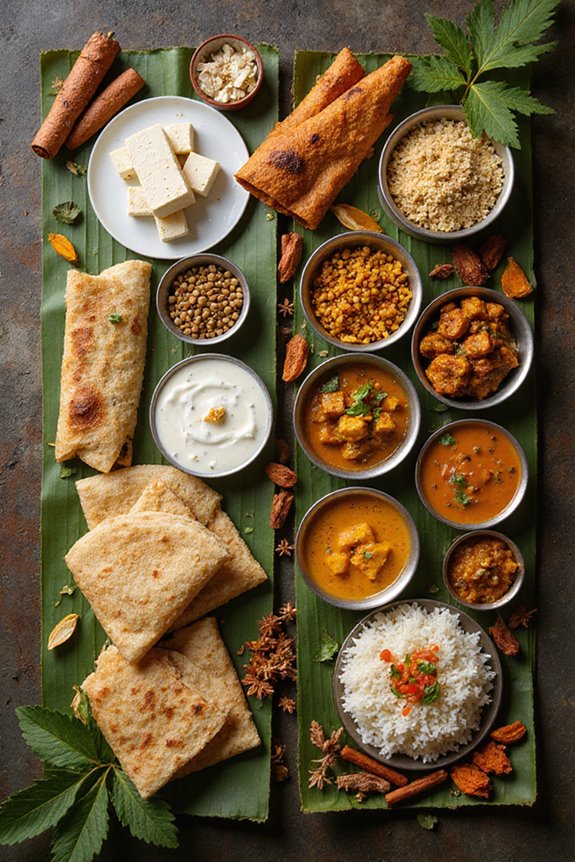
Let’s plunge into the delightful world of protein sources and dietary preferences found in North and South Indian cuisines!
In North India, we enjoy a wonderful variety of protein diversity. We often feast on mutton, chicken, and a treasure trove of dairy like paneer and yogurt. These ingredients star in rich curries and delicious kebabs.
Meanwhile, in South India, it’s all about plant-based proteins, with lentils and beans taking center stage.
- Vegetarian delights: Idli and dosa made from fermented legumes are our go-tos!
- Seafood options: In coastal areas, fresh fish is a treat.
Cultural influences shape our dietary habits. Whether we’re meat-loving or veggie enthusiasts, both cuisines offer a magical journey of flavors and nutrition! Additionally, exploring quick and delicious Asian chicken recipes can inspire diverse meal options that complement our culinary experiences.
Recommended Products

Authentic Butter Chicken Made Easy: Create rich, restaurant-style Pakistani and Indian butter chicken at home with this aromatic, premium masala blend. Delivers deeper flavor than any simmer sauce

Authentic Indian Tandoori Masala – Crafted in India using a traditional 16 spice blend, our Tandoori Masala delivers bold, smoky flavor perfect for home-style Indian cooking.

Shan Chicken Masala recipe and seasoning mix comes packaged and sealed in a box containing 1 sachet of powder mix of 50g/1.76oz.
Popular Dishes and Regional Variations
When it comes to popular dishes and regional variations, North and South Indian cuisines are like two sides of a delicious coin! Each region brings a unique flair shaped by culinary history and cultural influences.
North Indian Highlights:
- Bread-based staples: We love our roti, naan, and paratha, paired with rich gravies like butter chicken and dal makhani.
- Spices: Picture garam masala warming our hearts!
South Indian Treasures:
- Rice-based delights: Idli and dosa take the spotlight, often accompanied by zesty sambar and chutneys.
- Spices: We embrace hot spices with a dash of tamarind for that magical tang! These dishes beautifully illustrate the cooking techniques and tips that highlight each region’s unique flavor profiles.
Recommended Products
![Entice With Spice: Easy Indian Recipes for Busy People [Indian Cookbook, 95 Recipes]](https://m.media-amazon.com/images/I/51hAvacztiL._SL500_.jpg)

Tri-Ply Clad Construction for Even Heating: An aluminum core between stainless steel layers ensures fast, consistent heating, while the mirror-polished exterior and fine satin interior add a sleek, professional touch. NSF certified for professional-grade safety.

You'll LOVE our Spice Box Stainless Steel Storage 7.5inch x 2.8inch by Rani Brand--Here's Why:
How Do Cultural Influences Shape North and South Indian Cuisines?
Cultural influences shape North and South Indian cuisines through our unique regional ingredients and rich cultural heritage. By embracing local produce and traditions, we create vibrant flavors that connect us all to our culinary roots.
What Are Some Common Misconceptions About North and South Indian Food?
Like a vibrant tapestry, our understanding of North and South Indian food can be tangled with misconceptions. Spice levels and cooking techniques vary widely; embracing this complexity brings us closer to the true essence of these cuisines.
How Do Food Preferences Vary Among North and South Indian Communities?
We’ve noticed that food preferences among North and South Indian communities differ greatly, especially in spice levels and meal timings. North Indians often enjoy heartier meals later, while South Indians prefer light, early fare with vibrant flavors.
Are There Any Similarities Between North and South Indian Cuisines?
When exploring North and South Indian cuisines, we’ll find shared ingredients like lentils and rice, alongside regional spices unique to each. Both celebrate vegetarianism, creating a tapestry of flavors that unites us through our food traditions.
What Role Do Festivals Play in North and South Indian Culinary Traditions?
Festivals hold immense significance in our culinary traditions, celebrating regional specialties that reflect our culture. Together, we prepare dishes rich in flavors and ingredients, enhancing our shared experiences and strengthening our bonds during these joyous occasions.