As an Amazon Associate, we earn from qualifying purchases. Some links on this site are affiliate links at no extra cost to you. Our recommendations are based on thorough research and editorial judgment.

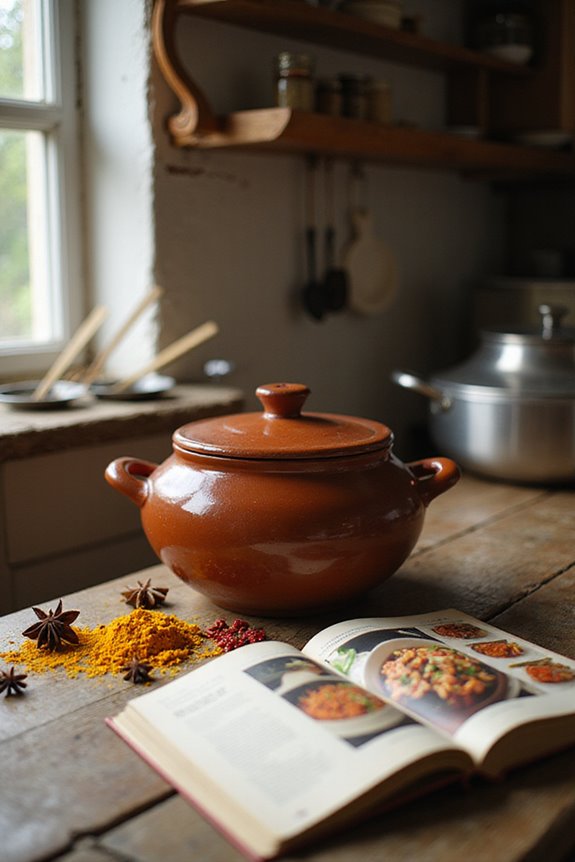
Can I Use Soap To Clean Clay Pot?

Using soap on our clay pots isn’t the best idea—it’s a bit of a party pooper! Soap can seep into the porous material, causing stains, weakening the pot, and even impacting our delicious dishes. Instead, let’s opt for delightful cleaning alternatives like a baking soda paste or a gentle scrub with rice flour. Remember to keep them dry and well-ventilated. Follow along, and you’ll uncover even more magical tips for our beloved clay pot care!
Key Takeaways
- Using soap can lead to chemical reactions and weaken clay pots over time.
- Residual soap may leach into food, affecting flavor and posing health risks.
- Soap can dry out clay, increasing the risk of cracks and damage.
- Natural abrasives or baking soda are safer alternatives for cleaning clay pots.
- Regular maintenance and drying are essential for the longevity of clay cookware.
Understanding the Risks of Soap on Clay Pots
When we think about cleaning our beloved clay pots, using soap might seem like a quick and easy option, but it’s crucial to understand the risks involved! 🎃 First off, these charming pots are porous, which means they soak up everything, including soap. This soap absorption leads to potential problems:
- Chemical reactions: Some soap can react with clay minerals, causing stains and weakening your pot over time.
- Health concerns: Residual soap can leach into food, altering flavors or even posing a risk to our health!
- Brittleness: Soap can dry out the clay, making it more likely to crack. Additionally, the porous nature of clay may also absorb flavors from a 1-4 word phrase other ingredients, which could further complicate cleaning.
Recommended Cleaning Alternatives
Cleaning our beloved clay pots doesn’t have to be an intimidating task! We’ve got some delightful alternatives that keep our pots sparkling without soap. Let’s explore natural abrasives and mechanical cleaning methods!
Natural Abrasives:
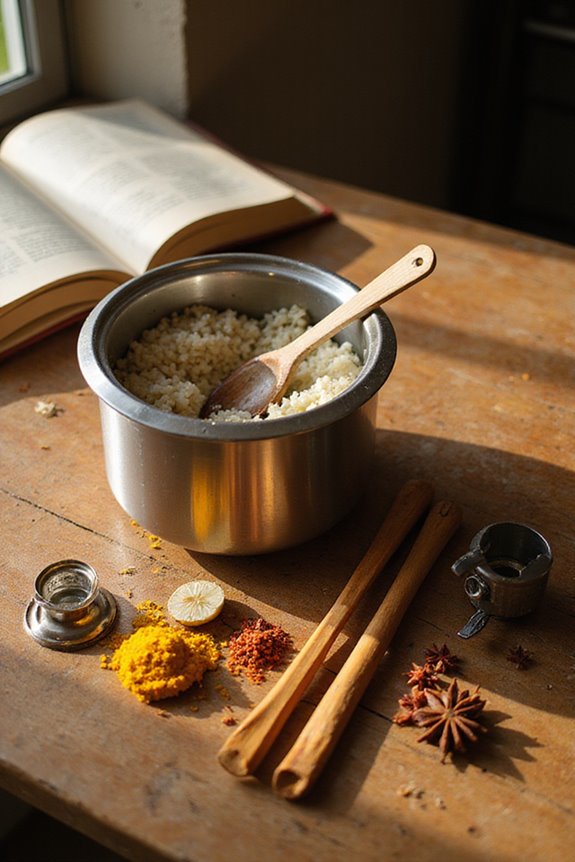
- Mix rice flour and salt or gram flour with salt to create a gentle scrubbing agent. This keeps our pots safe and chemical-free!
- For stubborn grime, a paste of baking soda and water on a stiff brush works wonders.
Mechanical Cleaning:
- Use a stiff wire brush or steel wool to remove tough deposits.
- After cleaning, rinse under running water to wash away loosened dirt.
It’s also beneficial to remember that proper maintenance and care of your kitchen tools can enhance their longevity!
Let’s keep our cherished pots pristine! Happy cleaning!
Recommended Products

BUILT-IN SCRAPER: for cleaning tough residues without harsh chemicals

PRACTICAL: Wire brushes are ideal for removing paint stains, rust, welding slag,solder,scale, Great for remove corrosion and more from parts, equipment, machinery and other surfaces. Also great for cleaning threads, grills or tile.

【Strong Durability】The stainless steel wire brush is made of high-quality stainless steel, so it has excellent durability. Even under heavy use, it can maintain its shape and performance, and is not easily damaged.
Proper Use of Bleach for Sanitization
For those of us enthusiastic to guarantee our clay pots are not only clean but also safe for use, using bleach can be a delightful way to achieve the magical sparkle we desire! To get the perfect bleach concentration, we should use a 10% solution—mixing 1 part bleach with 9 parts water, or about 1.75 cups of bleach per gallon of water. But let’s not forget those key dilution techniques!
When we’re sanitizing, it’s crucial that pots are scrubbed clean first. Remember, bleach won’t clean dirt; it only disinfects! So, let our pots soak for at least 10 minutes. Just think of it as a spa day for our beloved clay pots, ensuring they’re fresh and ready for our next culinary creation! Additionally, using non-toxic coatings is important for food safety when selecting kitchen equipment.
Recommended Products

Prevents leakage

Instantly Creates Food-Safe Glaze: For air dry clay, polymer, silver, modeling and foam clays; MCTRHG clay glaze dries fast to a hard, clear glossy finish in minutes; waterproof, no cracking; for clay ware, utensils, ring dish, wavy tray & kids' crafts

HIGH-GLOSS FINISH FOR AIR DRY CLAY: Add a transparent glossy finish layer to completed clay crafts for a smooth, polished appearance. The clear formula helps maintain the visibility of project colors and decorative details while adding shine to finished artwork
Step-by-Step Cleaning Process
Let’s plunge into the delightful process of cleaning our cherished clay pots! Here’s a magical step-by-step guide to help us keep our pots in top shape.
- Prep the Pot: Scrape off soil and food gently with a soft brush. If it’s unglazed, soaking in water can help.
- Hot Water Magic: Rinse the pot with scalding hot water to tackle any remaining residue.
- Stubborn Stains: For tough stains, sprinkle baking soda or salt and scrub with a sponge. Soaking overnight in a baking soda solution can work wonders.
- Natural Touch: Lemon juice or vinegar can dissolve pesky oil residues, creating a non-toxic, food-grade formula that is safe for your cooking equipment.
Recommended Products

STIFF BRISTLES AND WIDE USAGE: The bristle(dark bristle) of 2 pot brushes are made of stiff union fiber, and the bristle(light bristle) of another 1 pot brush is crafted with medium stiff tampico fiber. These palm pot brushes are well used for cleaning cast iron skillet, steel pots, pans, dishes, sinks, vegetables, tile, carpet, upholstery, etc.

Unique Design: Unlike traditional kitchen scrub brushes, this cleaning brush features a 90 angle and stiff bristles for easy reach into narrow spaces, effectively helps you to clean areas that are difficult to clean or stubborn stains

Flower pot bristle brush
Maintenance Tips to Prevent Mold and Build-up
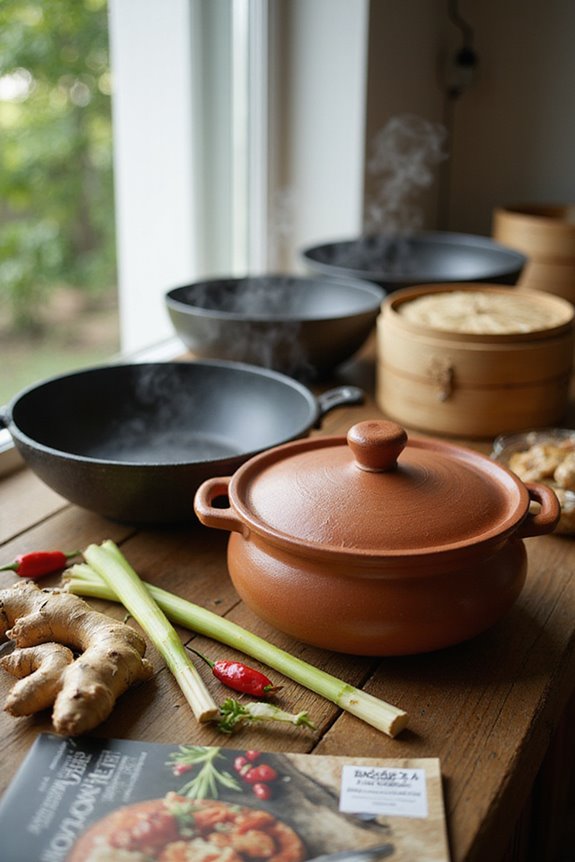
Maintaining our beloved clay pots is like nurturing a green thumb: it takes a little effort, but the rewards are oh-so-delightful! To guarantee mold prevention and moisture control, let’s embrace some useful tips.
- Use Regularly: Cooking often keeps the pot’s porous nature intact and mold at bay.
- Thoroughly Dry: Always dry your pots completely to avoid any moisture accumulation.
- Store Smart: Keep pots and lids separate to encourage airflow.
- Sunshine Heals: Whenever possible, let them bask in sunlight to zap any mold. Additionally, incorporating proper cleaning methods will promote longevity and efficiency in maintaining clay pots.
Recommended Products

Made of sturdy, eco-friendly, and easy-to-clean bamboo. Surface special treatment. No crack, no deformation.

Elegant Dark Brown Finish & Premium Pine Wood:Crafted from 100% natural solid pine wood with a rich dark brown finish, this eco-friendly herb drying rack (0% chemical coating) offers superior durability. Its 15"x5" compact size combines sturdiness with lightweight convenience for effortless use.

EASY TO TRANSFER: Transfer pasta from pasta maker to the drying rods or from drying rods to a cooking pot quickly and easily with transfer wand
Environmental and Safety Considerations
Instead, let’s explore natural cleaning alternatives. Here are some delightful options:
- A baking soda paste works wonders without toxins.
- Sunlight can be our magical sterilizer!
- Hot water is like a warm hug for our pots. Additionally, using healthier versions of cleaning methods can promote a more eco-friendly lifestyle.
Best Practices for Long-Term Care of Clay Pots
When it comes to taking care of our beloved clay pots, we’re on a journey to keep them shining and cooking like champions! Here are some delightful best practices:
Recommended Products
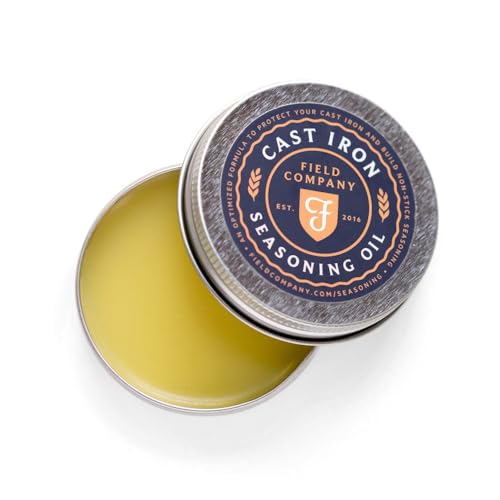
HOW TO USE: The key to naturally nonstick cast iron cookware? Cook often, and apply Seasoning Oil every time you clean your pan. Clean your cast iron with soap and a brush, then use a chain mail scrubber to smooth out existing seasoning layers. Apply a dab of Seasoning Oil and spread it thinly over the surface with a paper towel or clean rag. Wipe away excess oil to leave a dry, matte finish.

RESTORE & PROTECT YOUR CAST IRON: Keep skillets, Dutch ovens, griddles, grill grates, and carbon steel cookware in peak condition with our premium cast iron skillets seasoning oil. Builds a durable protective layer that helps prevent rust, preserves the classic black patina, and maintains naturally nonstick cooking performance.
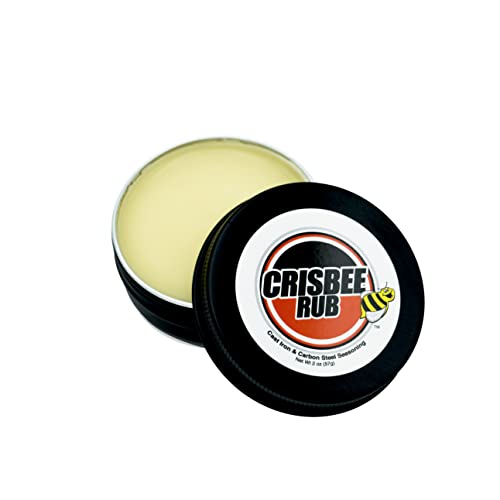
A little goes a long way. Very economical compared to seasoning cast iron cookware with oil.
Seasoning Techniques:
- Apply a thin layer of cold-pressed oil like sesame or coconut to enhance non-stick properties.
- Regularly reapply to maintain that magical seal—just a little goes a long way!
Storage Methods:
- Before tucking them away, verify pots are completely dry to avoid mold.
- Store in a well-ventilated area, using soft cloths between pots to prevent chipping.
Let’s treat our clay pots with care, soaking them before use and monitoring for any cracks. This way, we can cherish our clay companions for many cooking adventures to come! Happy cooking!
Can I Use Any Type of Soap on Clay Pots?
While we might think all soap types are equal, we’ve learned that gentle cleaning methods, like vinegar or baking soda, are often safer for our cherished clay pots. Let’s embrace these alternatives together!
How Often Should I Clean My Clay Pots?
When it comes to cleaning frequency, we should clean our clay pots after every use. Regular pot maintenance not only prevents mold and pests but also keeps our cherished pots in great condition for years to come.
What Signs Indicate My Clay Pot Needs Cleaning?
When our clay pots wear a cloak of discoloration and whisper mold growth secrets, it’s time for a heartfelt cleaning. We can’t let these signs linger, damaging our beloved plants and shared gardening journey.
Is It Safe to Use Soap on Decorative Clay Pots?
It’s generally best to avoid soap on decorative finishes; it can harm their beauty. Instead, we can embrace gentle cleaning techniques like warm water and vinegar solutions to keep our pots looking stunning long-term.
Can I Put Clay Pots in the Dishwasher for Cleaning?
When it comes to dishwasher safety for clay pots, we should remember that many materials aren’t dishwasher-safe. Hand washing is generally best to preserve the integrity and flavor of our cherished cookware.