As an Amazon Associate, we earn from qualifying purchases. Some links on this site are affiliate links at no extra cost to you. Our recommendations are based on thorough research and editorial judgment.

How Do I Care For My Carbon Steel Knife?

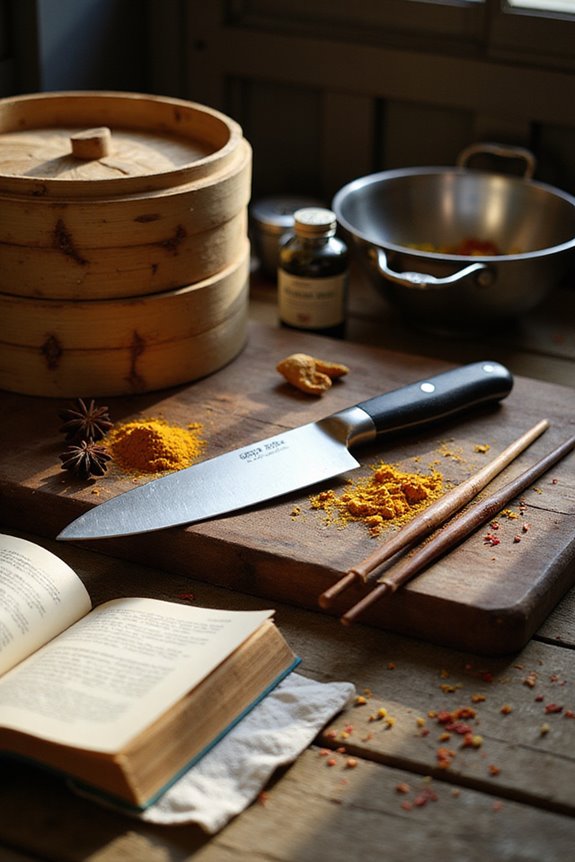
Caring for our carbon steel knife can be a delightful journey! First, let’s clean it right away with mild soap and a soft sponge—think of it as bath time for our trusty kitchen buddy. We should dry it thoroughly with a soft cloth to keep rust at bay. A magical tip is to apply a thin coat of food-grade mineral oil post-cleaning! And remember, a little patina is charming—it’s like our knife’s secret holiday sweater. Excited for more tips?
Key Takeaways
- Clean your knife with mild soap and a soft sponge immediately after use to prevent rust and maintain its integrity.
- Apply a thin coat of food-grade mineral oil after cleaning to protect against moisture and corrosion.
- Sharpen your knife using 1000-grit and 4000-grit stones, maintaining a 15-20 degree angle for the best edge.
- Embrace the development of patina, which acts as a protective layer against moisture and acids without being mistaken for rust.
- Store your knife in a dry place with good airflow, using knife blocks or sheaths to prevent moisture buildup.
Proper Cleaning and Drying Techniques
When it comes to caring for our delightful carbon steel knives, proper cleaning and drying techniques are nothing short of magical. To keep our blades safe and shiny, we should use mild soap and a soft sponge. Avoid materials like steel wool that can scratch our beautiful finishes.
Here’s a quick cleaning routine:
- Wash our knives immediately after use to prevent rust.
- Use a damp cloth between uses to wipe away ingredients.
- Remember to dry thoroughly with a soft, dry cloth!
Additionally, regular maintenance, such as proper cleaning and oiling your carbon steel knife, is vital for longevity. Let’s aim for a cleaning frequency that keeps our knives happy without prolonged exposure to water. By embracing these habits, we celebrate the care our magical blades deserve!
Recommended Products

3.4oz(100ml) Pure Tsubaki knife Oil(Camellia Oil)

Knife Oil Rust Eraser Kit: this maintenance set includes 2 rust remover for knives, 100 black cotton swabs, 2 pairs of black gloves, 2 bottles of tool sword maintenance oil (50ml each), and 2 dark gray microfiber cloths, everything you need to keep your blades in pristine condition; Ideal for knives, swords, katanas, and other metal tools, this kit ensures anti-rust lubrication, derusting, and long term protection

FOR THE KNIFE THAT'S BEEN SITTING IN THE BACK OF THE DRAWER TOO LONG: One pass of the eraser on a rust spot, a little water, thirty seconds of circular motion — surface rust, staining, and oxidation lift off without scratching the blade. Works on German steel, Japanese steel, stainless, and carbon — the same block of knives you've been meaning to clean for months, done in one session.
Tips for Preventing Rust

To keep our delightful carbon steel knives shining and rust-free, we need to stay ahead of the moisture battle! Here are some magical tips for rust prevention:
- Apply Protective Oils: After each cleaning, a thin coat of food-grade mineral oil keeps moisture at bay. Just wipe off the excess, and we’re golden!
- Create a Protective Patina: Immerse the blade in boiling white vinegar for 10-20 minutes. It’ll develop a dark layer that fights rust like superheroes on a holiday adventure!
- Smart Storage Solutions: Knife blocks or sheaths are fab for airflow, meaning less moisture. Remember, a dry knife is a happy knife! Additionally, maintaining a high hardness rating is vital for optimal performance and durability in carbon steel knives.
Recommended Products
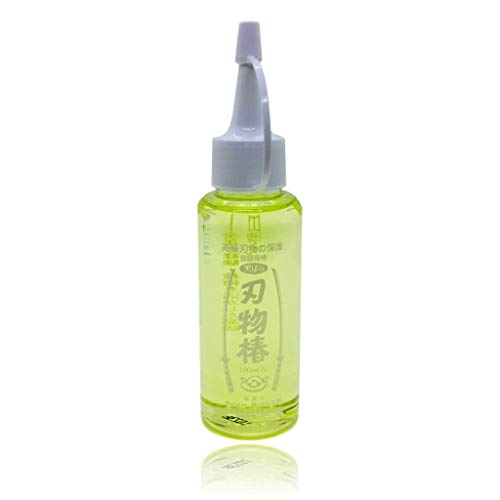
Prevents rust on various carbon steel products such as knives, scissors, sewing machines, gardening tools, etc.
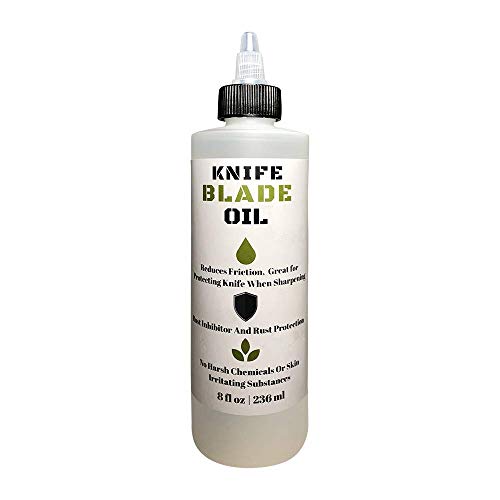
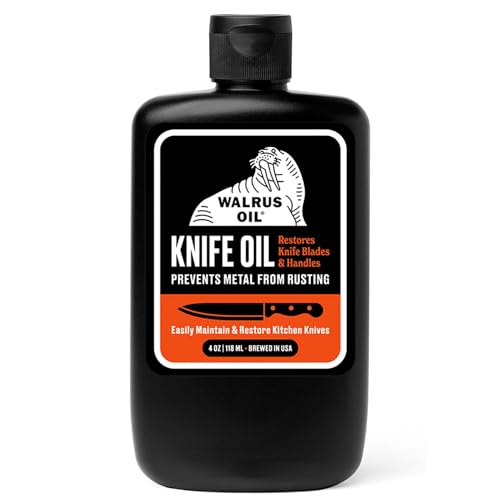
NATURAL & SAFE: Our Knife Blade oil is composed of 100% natural food-safe ingredients to provide worry-free use. While also providing superior protection for kitchen knives, pocket knives, and more
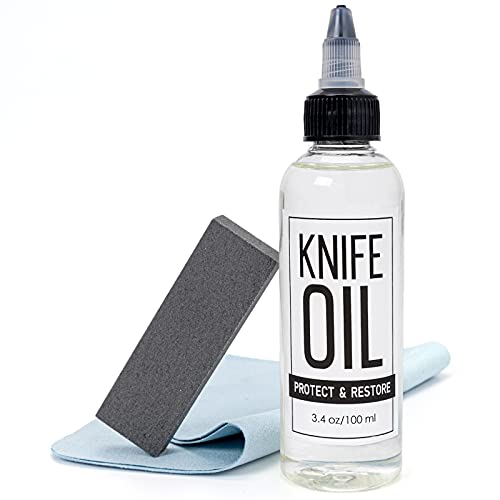
Professional Maintenance Oil: Specifically designed to maintain steel and carbon steel kitchen knives from rust and wear. Our blade oil works wonders on any type of blade, providing superior protection for your knife blades. A perfect kitchen knife oil for kitchen knives and a perfect knife oil lubricant for pocket knives, gardening equipment, and more.
Sharpening and Maintaining the Edge
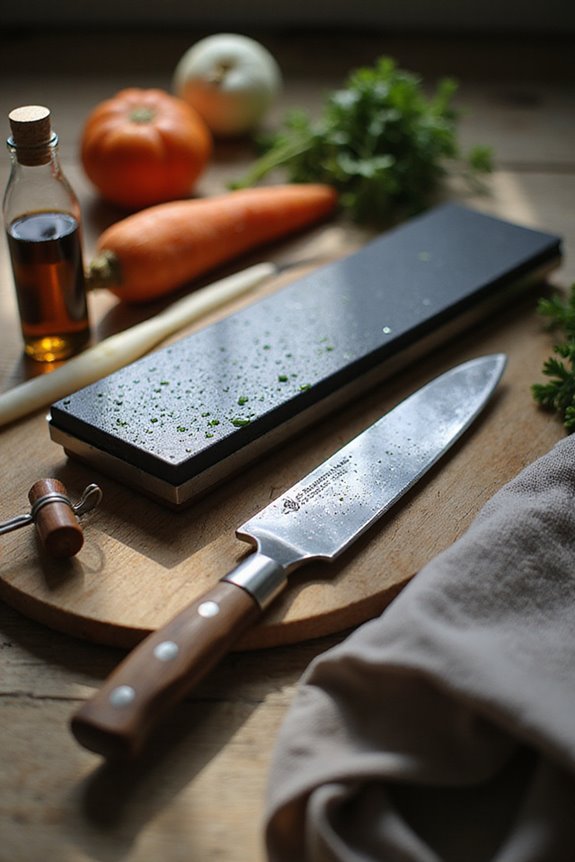
With our trusty rust-fighting strategies in place, we can now turn our attention to keeping the edge of our carbon steel knife sharp enough to slice through holiday ham with glee! Let’s explore effective sharpening techniques. A combination of 1000-grit and 4000-grit stones works wonders. Remember to keep a consistent angle of 15-20 degrees for a delightful edge.
After sharpening, we must use stropping methods. Applying compounds like green chrome oxide will polish our blade, making it razor-sharp! Don’t rush; slow, controlled strokes preserve our blade’s life. Keep in mind that carbon steel woks require regular seasoning to maintain their performance, similar to the maintenance needed for your knife.
Let’s test sharpness as we go, and avoid over-sharpening—nobody wants a dull blade at the holiday feast! Happy slicing, everyone!
Recommended Products

【Complete Knife Sharpening Stone Kit】You don't need to be a Pro to sharpen your blades, all you need is the right tools & technique. All the sharpening tools you need are here, one affordable set for you: 400/1000 & 3000/8000 grit whetstone; Coarse flattening stone; Non-Slip Bamboo base; Knife sharpening angle guide; Leather strop, a simple instruction manual about how to use and what does every component do.
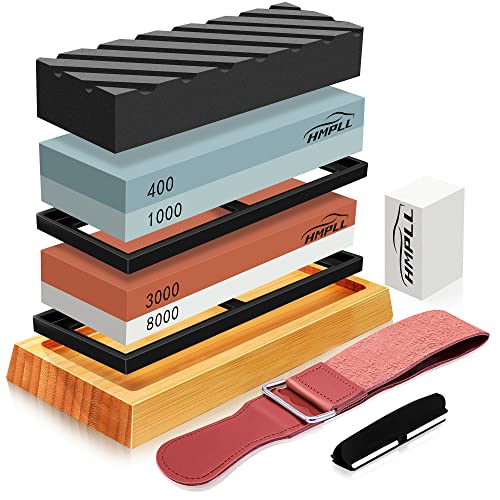
Professional Whetstone: 2 whetstones have difference grit which are 400/1000 and 3000/8000. The grit is accurate. 4 sides grit are satisfy with any knife blade needs. 400/1000 grit is typically used to repair knives with chipped edges and sharpen dull knives. 3000/8000 grit used to refine the edge and provide extra fine finish/polish on your blades.

🔪Knife Sharpening Stone base made of FSC-Certified Bamboo - High Quality White Corundum,400/1000 and 3000/8000 knife sharpening stones is Suitable for most grinding operations, 4 type of grit is very accurate suitable for expensive or cheap stainless steel kitchen knives.
Understanding Patina and Marks
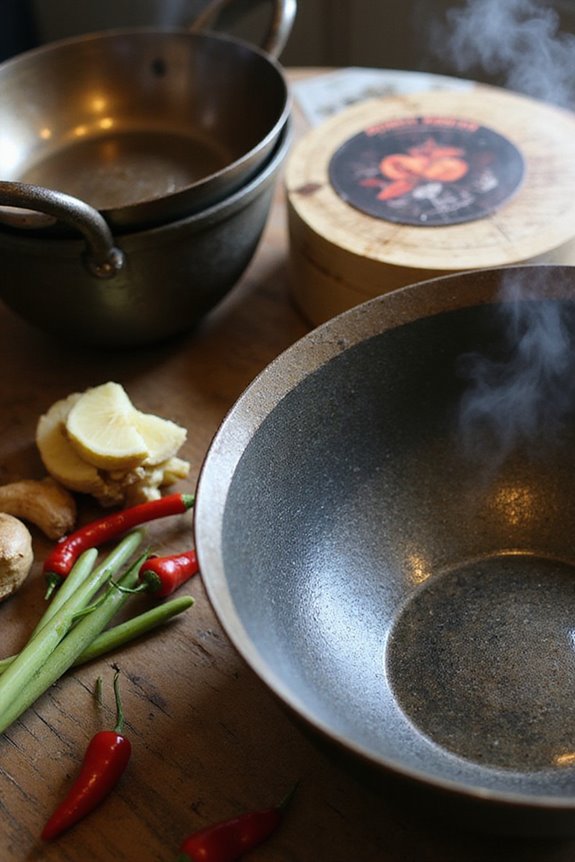
Understanding the beautiful patina that forms on our carbon steel knives can seem a bit mysterious, but it’s actually a delightful sign of character! This magical protective layer results from patina formation caused by moisture, acids, and salts. Unlike rust, which can harm our beloved knives, patina benefits us by warding off further corrosion.
Here’s what we need to know about this charming change:
- Color Variations: Expect grey or black hues instead of red-orange rust.
- Environmental Influences: Citrus and protein-rich foods can speed up patina development.
- Care Tip: Regularly clean and dry our knives to maintain this protective layer. Engaging in proper knife maintenance techniques, like regular sharpening with a whetstone, ensures their longevity and performance.
Embracing patina makes our knives uniquely ours—like delicious holiday cookies with a personal touch!
Care for Knife Handles
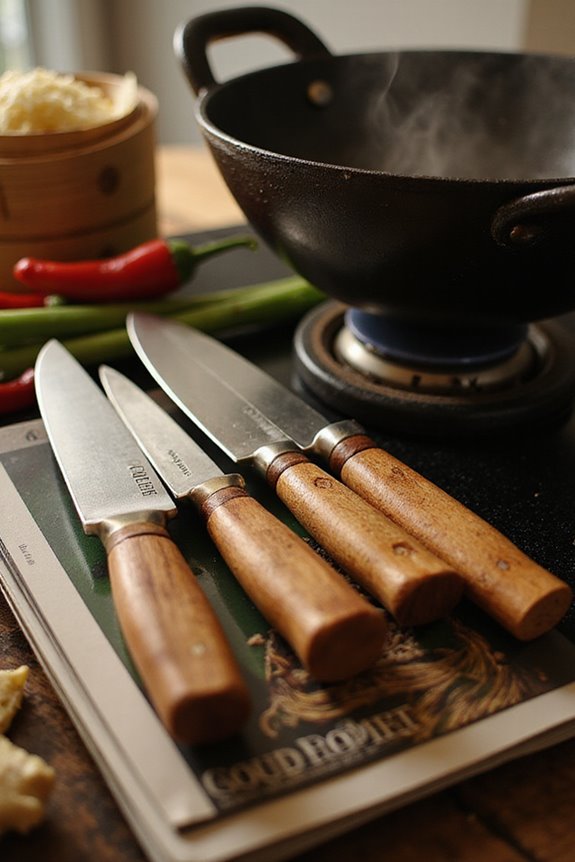
Caring for knife handles is like giving our trusty kitchen companions a warm hug! Let’s keep those beautiful handle materials in tip-top shape! Here’s how:
- Gentle Cleaning: Use mild soap and warm water when needed. Quick rinses only—no soaking!
- Drying: Wipe handles dry immediately after washing to avoid moisture damage.
- Storage: Store knives in cool, dry places. Never in damp environments!
For wooden handles, let’s oil them periodically with food-safe oils to keep them lush. About every few weeks is magical, but more often if we’re cooking up a storm! Traditional craftsmanship enhances the quality of knife handles, ensuring they last longer and remain comfortable to use.
Recommended Products

FOOD-GRADE MINERAL OIL FOR CUTTING BOARDS: Helps restore and protect dry cutting boards, butcher blocks, and wooden kitchen surfaces. Refreshes dull, worn wood and helps prevent cracking or splitting; works on bamboo, teak, acacia, olive wood, and hardwood boards
Made with Only 100% Food-Contact Safe Ingredients

NSF CERTIFIED FOOD GRADE - This premium mineral oil is NSF certified and lab-tested to meet the strictest food safety standards. Colorless, odorless, tasteless, and gluten-free — perfect for cutting boards, butcher blocks, and all food-contact surfaces.
Rust Removal and Restoration Methods
Rust might sneak up on our beloved carbon steel knives, but fear not! We’ve got some delightful restoration techniques to bring them back to life. Here are our suggestions:
- Baking Soda Paste: Mix and scrub gently on rust spots. Repeat until gone!
- Potato Magic: Rub half a potato over rusted areas. Who knew potatoes could save the day?
- Vinegar Soak: Just a quick dip does wonders. But keep an eye out—too long can etch!
After clearing the rust indicators, we suggest sharpening the blade with a 1000 grit stone. Finally, don’t forget to coat it in oil for magical protection against future rust! Proper care of carbon steel knives is essential to prolonging their life and maintaining sharpness. With these methods, we can keep our knives looking fabulous and ready for culinary adventures!
Recommended Products

3oz OF PROFESSIONAL BLADE OIL - 9x the volume of leading knife oils at a fraction of the cost. Covers your full knife collection. Pocket knives, fixed blades, multi-tools, and more. Also works beautifully as a honing oil and blade maintenance solution.

Rust Eraser Set
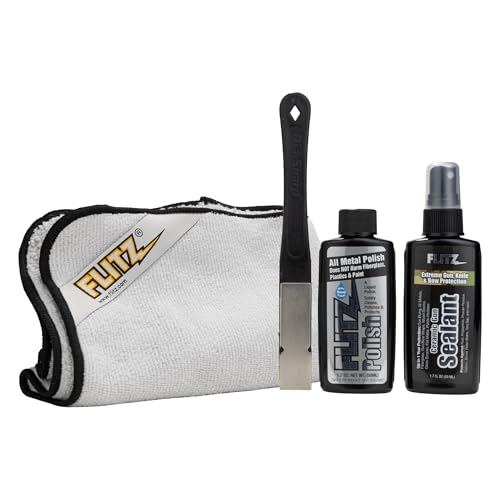
MADE IN THE USA - Proudly made right here in the USA at our Wisconsin headquarters and formulated with cutting-edge German ingredients, Flitz Knife Polishing Kit delivers unbeatable quality you can trust. Our knife rust remover kit is made to provide comprehensive knife care
Can I Use My Carbon Steel Knife for Cutting Acidic Foods?
We can definitely use our carbon steel knife for cutting acidic foods, but let’s make sure to wipe it down during use and clean it promptly afterward for food safety and to prevent rust.
How Can I Store My Knife Safely When Not in Use?
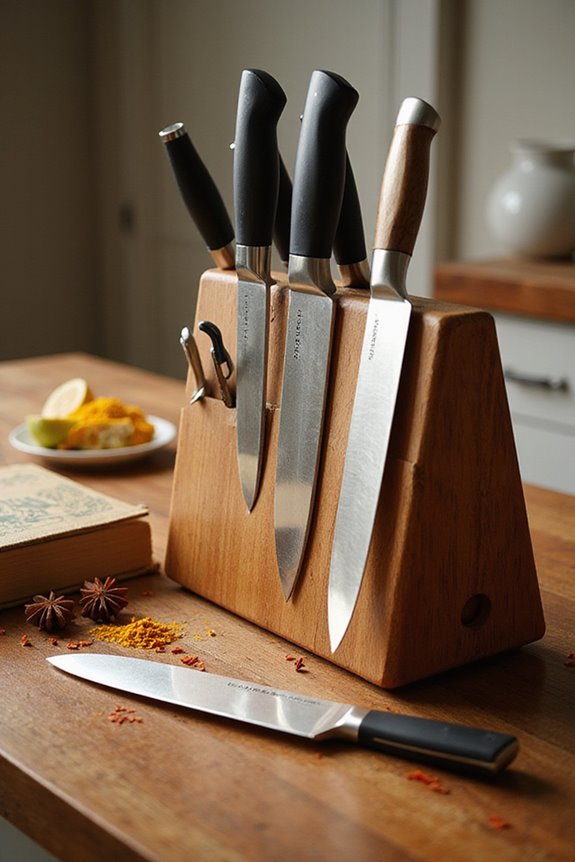
When we want to store our knives safely, we can use magnetic strips or knife blocks. These storage solutions not only keep our blades secure but also showcase our shared love for quality kitchen tools!
Can I Use a Dishwasher for My Carbon Steel Knife?
We can’t risk dishwasher damage to our carbon steel knife. Instead, let’s follow essential maintenance tips: hand wash promptly, dry thoroughly, and oil regularly. This way, we’ll guarantee our knives stay in excellent condition together.
Will My Knife Discolor When Cutting Certain Foods?
Did you know that nearly 80% of users notice their carbon steel knives discolored when cutting acidic foods? This often indicates patina formation, protecting the blade while enhancing our food’s experience despite those reactions.
How Often Should I Oil My Carbon Steel Knife?
When it comes to knife maintenance, we should oil our carbon steel knives weekly with food-safe oils, especially after using them on moisture-rich foods. Choosing the right oil types keeps our blades well-protected and performing beautifully together.