As an Amazon Associate, we earn from qualifying purchases. Some links on this site are affiliate links at no extra cost to you. Our recommendations are based on thorough research and editorial judgment.

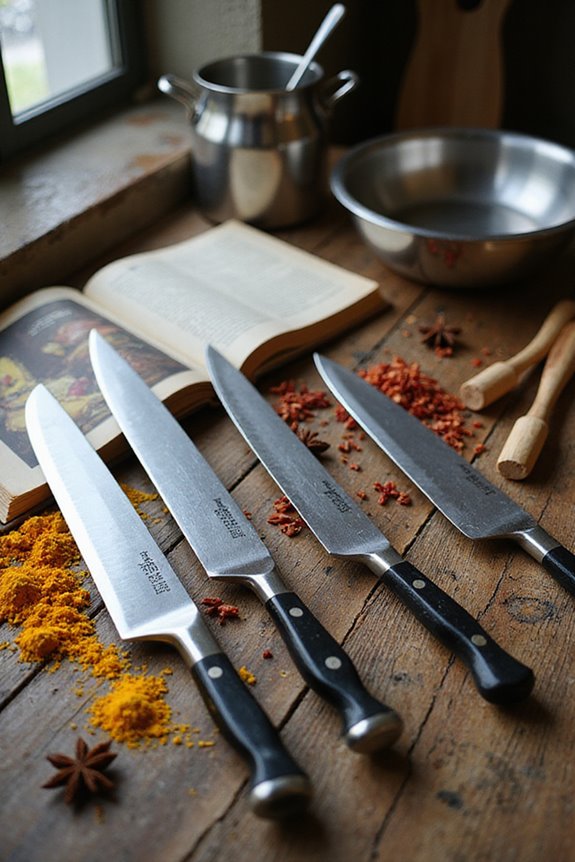
What Are The Different Types Of Japanese Knives?

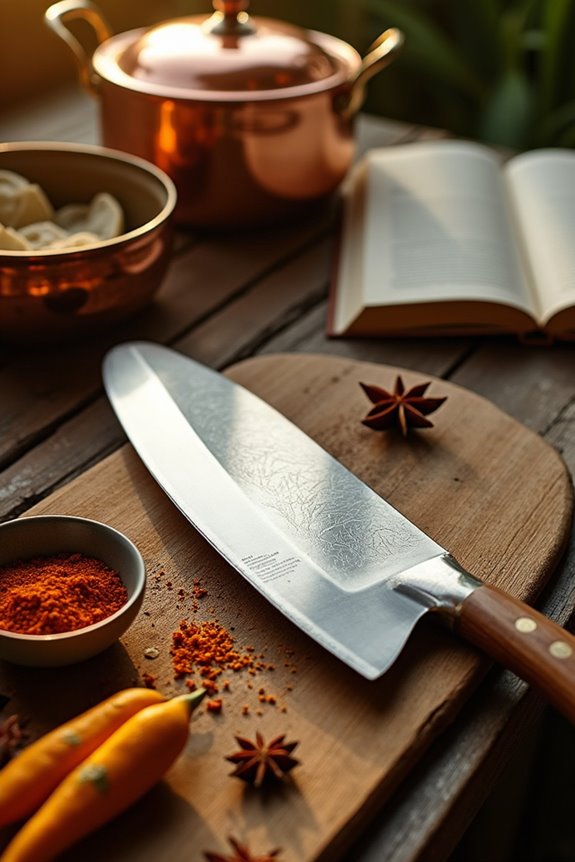
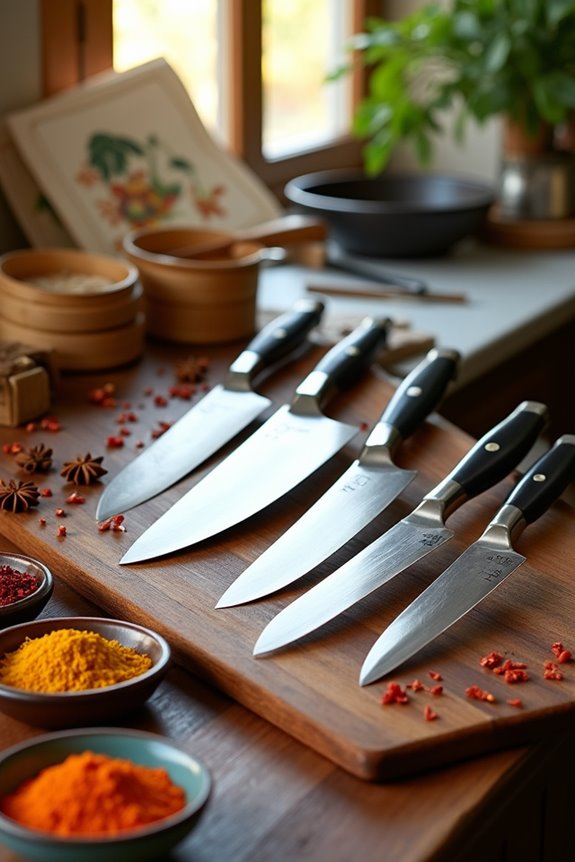
Japanese knives come in delightful varieties, each with its own magical purpose. We’ve got chef’s knives like Gyuto and Santoku for all-around goodness, while vegetable knives such as Nakiri and Usuba are perfect for those precise cuts. Don’t forget about fish knives like Deba and Yanagiba for sushi dreams, and boning knives like Honesuki for effortlessly tackling meats. By exploring their unique features, we can discover the perfect fit for our cooking style. Stay tuned for more exciting tips!
Key Takeaways
- Chef’s and All-Purpose Knives include Gyuto for meat and fish, and Santoku for versatile slicing and chopping tasks.
- Vegetable Knives like Nakiri feature a straight blade for precision, while Usuba offers traditional cuts with an ergonomic design.
- Fish and Slicing Knives include Deba for butchering fish and Yanagiba for sashimi, emphasizing sharpness and technique.
- Boning and Utility Knives such as Honesuki have triangular blades for precision boning and versatile functionality.
- Specialty and Regional Variants showcase unique craftsmanship, with notable styles from Sakai, Sanjo, and Tosa, reflecting cultural heritage.
Chef’s and All-Purpose Knives
When it comes to the delightful world of cooking, choosing the right knife can feel like unwrapping a gift during the holidays! Let’s explore two amazing options: the Gyuto and Santoku.
- Gyuto Advantages: This Japanese chef’s knife shines with its long, slender blade, perfect for everything from meat to fish. Its lightweight design makes it easy on our wrists.
- Santoku Versatility: Known for its “three virtues,” this knife is our everyday hero for slicing, dicing, and chopping. Its wide blade makes food transfer effortless and its compact size fits right into our hands!
Both knives bring magic to meal prep, and using tools made from high-quality materials can enhance their effectiveness. So, whether we’re flipping pancakes or prepping dinner, let’s celebrate cooking with the best tools in our kitchen!
Recommended Products

High-Carbon Stainless Steel Blade: It is manufactured from high-quality stainless steel that maintains its functionality for a long time. And to boost its sturdiness, the steel contains 0.6-0.75 carbon. This makes it two times as hard as other knives in its class as they contain about 0.3% carbon
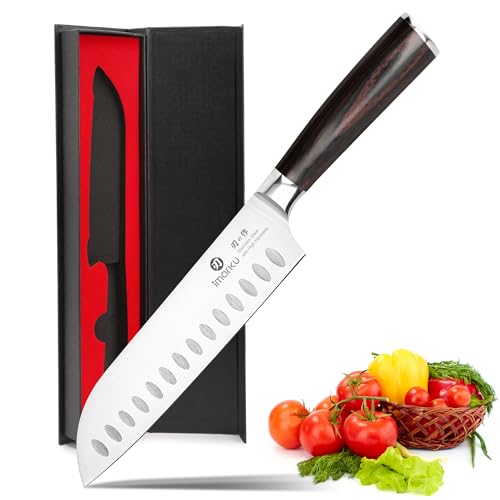
Professional Chefs Knife: This imarku super sharp chef’s knife is made of Japanese high carbon stainless steel that resists rust, corrosion, and discoloration. It can be used for your daily kitchen tasks of chopping, slicing, dicing, and mincing of all kinds of meat, vegetables, fruits, and bread. It is suitable for both home and restaurant kitchens.
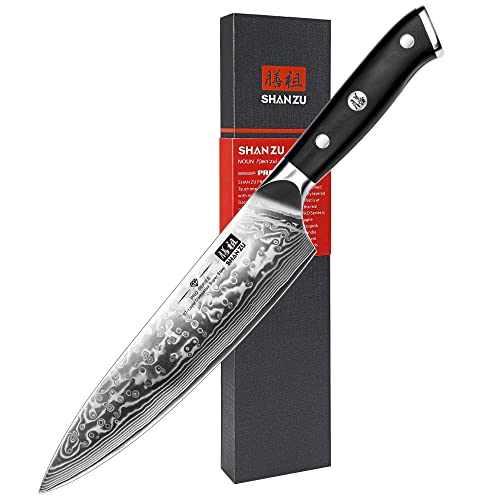
Japanese Steel Knife Core, Super Sharp: SHAN ZU chef's knife core is made of 10Cr15Mov Damascus Japanese steel that has high hardness(62 HRC), rust-proof, and wear-resistant features; with advanced forging technique, you will get a super sharp kitchen knife
Vegetable Knives
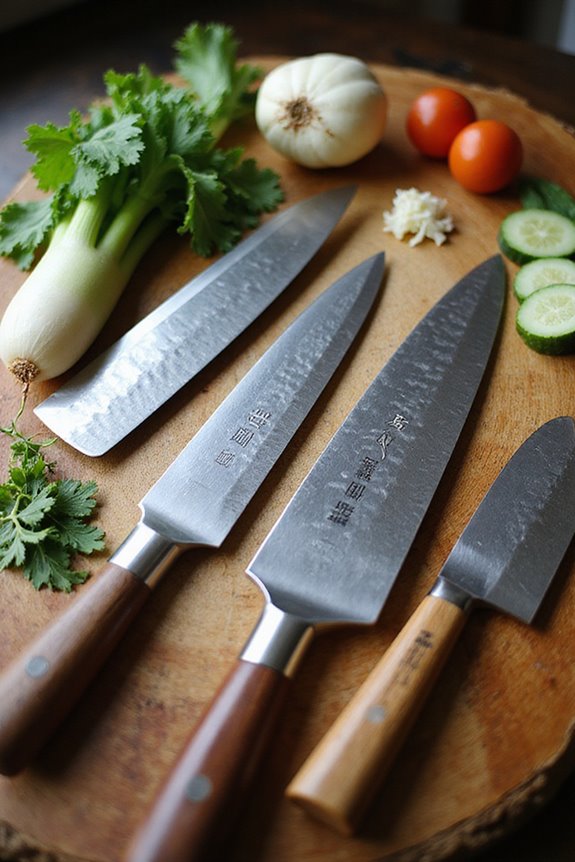
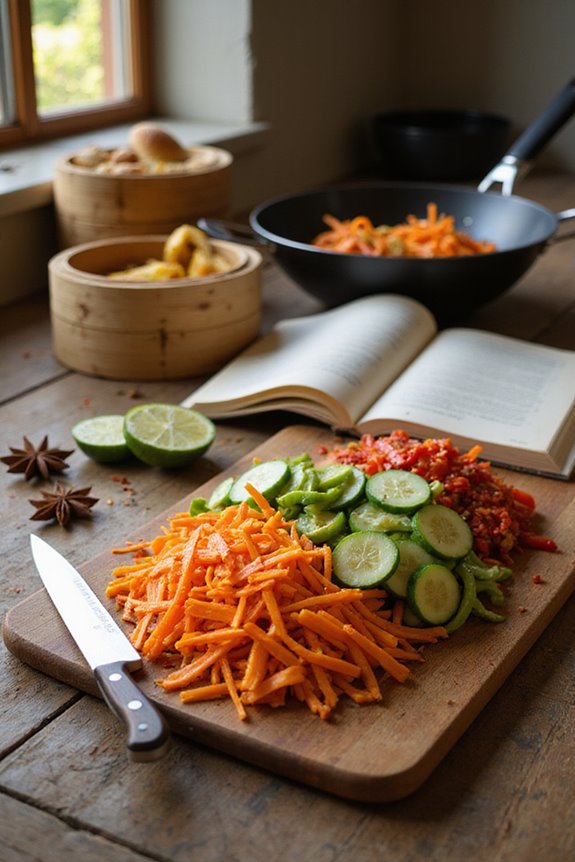
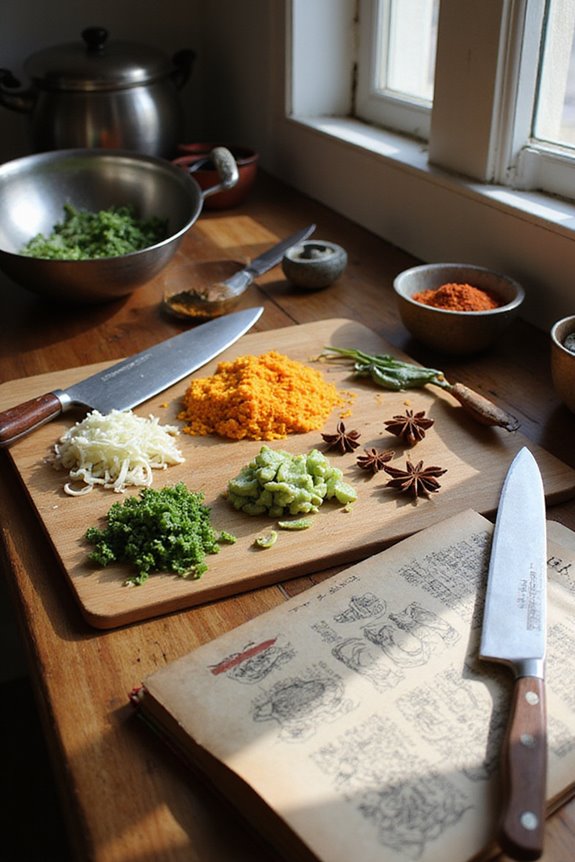
Vegetable knives are truly a chef’s best friend in the kitchen, making vegetable prep a delightful breeze! For those of us who love cooking, the Nakiri boasts a straight, rectangular blade perfect for precise cuts. With a double-bevel edge and typically measuring between 165 to 180 mm, it’s incredibly versatile. On the other hand, let’s not overlook the Usuba! This specialty knife features a single bevel, ideal for that magical, traditional Japanese touch.
Here’s how we love using them:
- Chopping & Slicing: Perfect for julienne, brunoise, and dicing.
- Fruit & Veggie Friendly: Works well on all types of vegetables!
Ready to take our vegetable cutting to the next level? Grab a Nakiri or Usuba, and let’s slice away! Additionally, ergonomic designs in Japanese knives enhance comfort during use, making these tools not just beautiful but also functional.
Recommended Products

ALL-PURPOSE NAKIRI KNIFE: The classic 7 inch kitchen knife is flexible for all kinds of heavy duty preps, like slicing, dicing, chopping and mincing. A truly all-around cooking knife, is easy to re-sharpen, clean and maintain.

【Ultra Sharp Blade】 Each Japanese nakiri knife is hand-polished by experts to achieve a sharp 15 degree edge angle. The ultimate sharp blade ensures every cut is effortless and smooth, and provides a precise cutting experience whether it requires delicate blade skills or powerful chopping.

【Straight-Edge Nakiri Design】This Nakiri knife expertly merges the control of a traditional chef's knife with the robust form of a cleaver. Its perfectly straight edge and squared-off blade excel at precise, forceful down-chopping motions, effortlessly handling hard vegetables (like sweet potatoes and carrots) where a rocking chef's knife would struggle, ensuring every cut is clean and efficient.
Fish and Slicing Knives
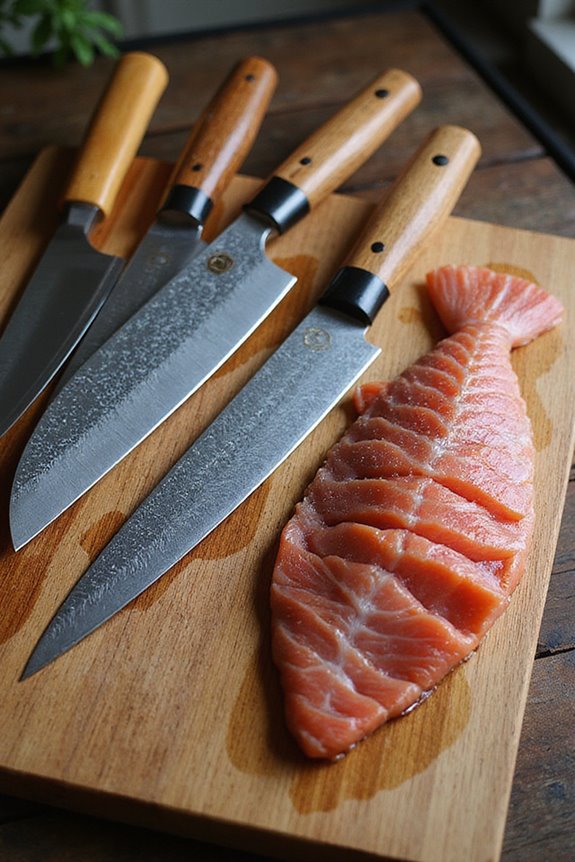
After mastering those vibrant vegetable cuts, it’s time to explore the magical world of fish and slicing knives! These tools are essential for fish preparation techniques, allowing us to create delightful dishes. Let’s immerse ourselves in some key types:
- Deba Knives: Great for butchering fish with their thick, sturdy blades.
- Yanagiba Knives: Long and sharp, perfect for slicing raw fish for sushi.
- Takohiki Knives: Similar to Yanagiba but with a unique square tip. Additionally, understanding the importance of regular maintenance ensures your knives remain sharp and effective for all your culinary needs.
Recommended Products

JAPANESE STAINLESS STEEl SUSHI KNIFE: The blade is made of high-quality japanese stainless steel with a hardness of 57 HRC, which provides highly anti-rust quality. It's easy for resharpening, cleaning and maintaining

【Premium High Carbon Steel】This professional fish fillet knife is made from high-quality Japanese stainless steel 10Cr15CoMoV, which makes the HOSHANHO fillet knife more durable, harder, and sharper than other meat knives. With a hand polished edge at 15 degrees per side, the boning knife can achieves ultimate sharpness.
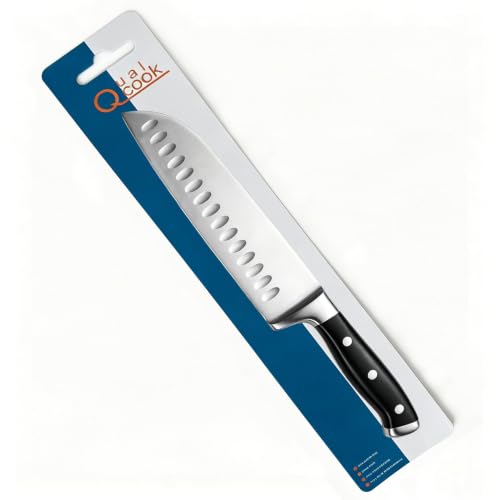
【High Quality & Superior Sharpness】 7 inch santoku knife is made of premium 10Cr15MoV high carbon stainless steel construction. 62 HRC hardness ensures excellent wear resistance and long-lasting sharpness. Rust-resistant and durable.
Boning and Utility Knives
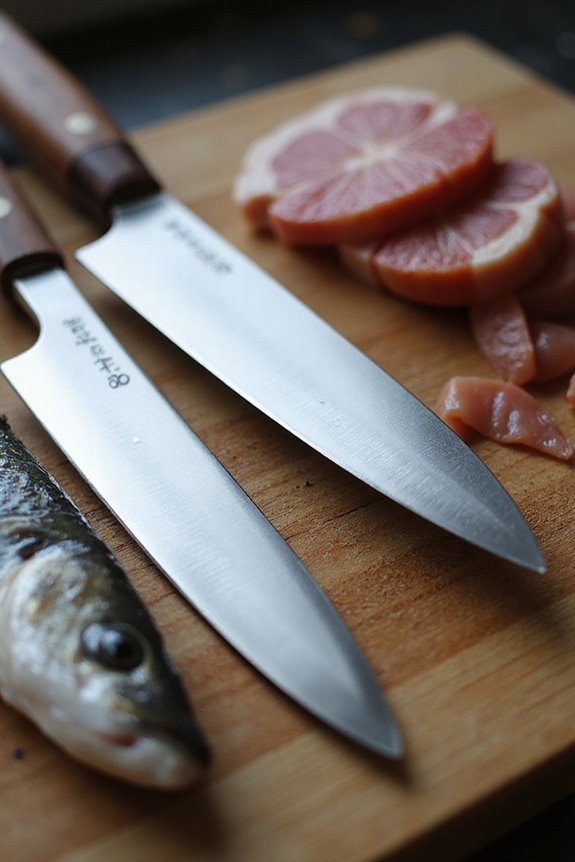
Boning and utility knives can truly transform our kitchen experience, especially when tackling poultry and meat prep! These honesuki knives are our secret weapon, sporting a triangular blade that allows for precise cuts and stunning boning techniques. With their stiff design, they offer fantastic knife versatility—perfect for everything from deboning to trimming larger cuts.
Here’s the deal:
- They excel at cutting through cartilage and soft joints.
- High-carbon steel variants keep their edge longer.
- Stainless steel models save us the hassle of constant maintenance.
- Premium knife sets often include specialized knives like honesuki for precise culinary tasks.
Specialty and Regional Variants
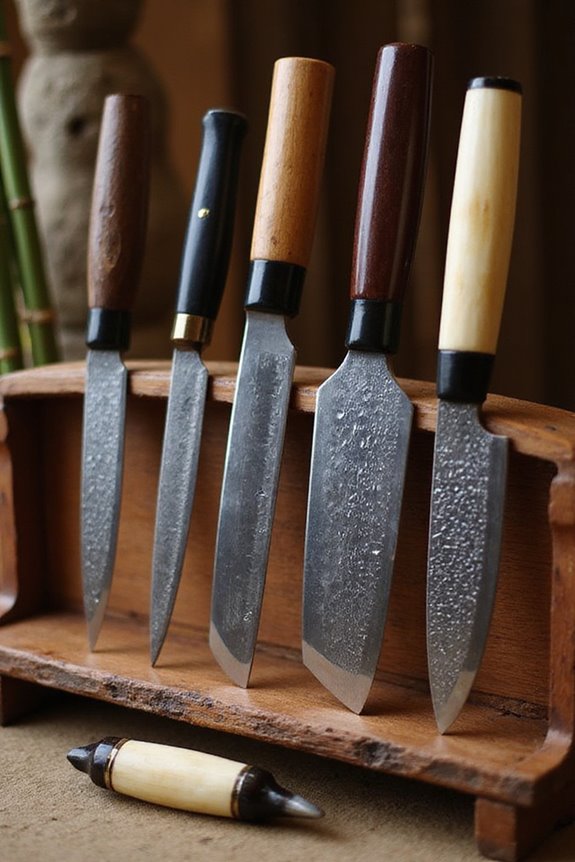
When we plunge into the world of specialty and regional knife variants, it feels like unwrapping a delightful present during the holidays! Each region in Japan brings its own magical touch to knife-making, showcasing unique regional knife features. For instance, Sakai’s renowned sashimi and deba knives symbolize the essence of Japanese cuisine, while Sanjo blends traditional with modern for durable Western-style knives. Tosa’s black forged Kurouchi knives highlight a rustic charm perfect for heavy-duty slicing.
When exploring these specialty knife origins, remember each knife tells a story of craftsmanship and culture. Furthermore, investing in authentic recipes can enhance your experience and appreciation of the culinary skills these knives help you master. So, whether you’re slicing sashimi or chopping veggies, there’s a perfect regional knife waiting for you. Let’s celebrate the artistry and utility of these delightful tools!
Blade Characteristics and Edge Styles
Exploring the blade characteristics and edge styles of Japanese knives is like venturing into a magical kitchen wonderland! These incredible tools often feature high-carbon steel cores, giving us exceptional sharpness and edge durability:
- Blade Materials: Whether it’s Damascus or Honyaki, each offers its unique magic!
- Edge Styles: Most knives like Gyuto and Santoku sport double bevel edges, making them versatile heroes in our culinary adventures.
The thinner, lighter blade geometry allows for precision cutting, helping us create delightful dishes without fuss. Plus, keep in mind, maintaining these thin edges is essential, as they can chip more easily than their Western counterparts. Embrace the journey with your Japanese knife, and watch your kitchen turn into a festive feast! 🎉👩🍳 Additionally, understanding the importance of material selection can greatly enhance the durability and performance of your knives, ensuring they elevate your cooking experience.
Choosing the Right Knife for Your Cooking Style
Have you ever wondered how to choose the perfect Japanese knife for your cooking adventures? It is understood it can feel overwhelming, but let’s break it down with some fun knife selection tips.
- Gyuto: Perfect for rock-chopping—ideal for everything from onions to big proteins!
- Santoku: A delightful all-rounder, perfect for a home kitchen and smaller cuts.
- Nakiri: Magical for veggies, offering precision cuts that’ll impress anyone.
- Honesuki: The pro for deboning poultry—it’s a holiday must for those big dinners!
- Yanagi: Perfect for slicing fish like sushi, so you’ll be a culinary star.
With these cooking style considerations, we can find the right knife that makes our culinary creativity shine! Happy chopping!
Recommended Products

【Japanese VG10 Steel Core】This Santoku knife is crafted with a premium Japanese VG10 steel core with a hardness of 62 HRC, and features a precise 12° hand-sharpened edge, delivering exceptional sharpness and excellent edge retention. The blade of this chef knife retains a traditional black forged finish, which helps reduce food sticking and enables more efficient cutting.

【10Cr15CoMoV Super Steel】Forged with a premium Japanese 10Cr15CoMoV steel core and tempered to 62 HRC, this blade delivers elite hardness, extraordinary corrosion resistance, and superior wear resistance. It maintains a formidable edge for longer, offering exceptional strength that resists bending and breaking under pressure.

【Razor Glide with Lasting Edge Precision】Experience cleaner, precise cuts with minimal drag and sticking. This hand forged santoku knife is built for faster prep and effortless control. Forged with a Japanese VG10 core (60–62 HRC) and 3-layer steel for lasting sharpness and durability. The razor-sharp chef knife glides smoothly through food with consistent, refined results.
Maintenance and Care for Japanese Knives
Caring for our Japanese knives is just as important as choosing the right one! To keep them magical, let’s use the best cleaning techniques. Always hand wash with warm water and mild detergent after every culinary adventure. Remember, never soak them — they’re no good at swimming!
For sharpening methods, a whetstone is our best friend. Regularly honing with ceramic or steel rods keeps that delightful edge sharp. We should also protect those precious blades with food-grade mineral oil to prevent rust.
Finally, storing knives responsibly is key! Use magnetic strips or proper blocks to keep them safe and sound. By following these tips, our knives will shine bright in our kitchens for years to come!
Popular Brands and Artisan Makers of Japanese Knives
When it comes to the magical world of Japanese knives, knowing the right brands and artisan makers can make all the difference in our cooking adventures! Here are some of our favorites:
- Misono: Renowned for quality, with a strong heritage in Seki City.
- Sakai Takayuki: Celebrated for hand-sharpened blades that embody centuries of artisan craftsmanship.
- Masamoto: A prestigious brand using ancient sword-making techniques.
- Yoshihiro: Offers diverse designs rooted in a century of craftsmanship.
- Miyabi: Blends German engineering with traditional Japanese knife heritage.
Exploring these brands allows us to appreciate their rich histories while choosing knives that inspire us in the kitchen. Let’s embrace the joy of cooking with these exquisite tools!
Recommended Products

【Precision Perfection in Every Slice】Our professional-grade kitchen knife are hand-forged and feature a luxurious black forged finish. The razor-sharp blades are crafted from the finest VG10 stainless steel, allowing them to glide effortlessly through ingredients and provide an incredibly smooth and precise cutting experience.

Japanese Gyuto Chef Knife: This 8-inch chef knife uses a Gyuto blade shape for slicing meat, fish portions, onions, herbs and vegetables. The blade length supports clean pull cuts and light rocking cuts for daily kitchen prep.

DESIGN PHILOSOPHY - The Chefilosophi Series professional kitchen knife set from Brewin combines cutting edge kitchen technology with premium design philosophies; This five piece set of kitchen knives spares no attention to detail; For top shelf cooking knives that have been painstakingly crafted with expert chefs in mind, Brewin is obvious choice.
How Do Japanese Knives Compare to Western Knives?
When we compare Japanese knives to Western ones, we see distinctive blade designs and cutting techniques. Japanese knives offer precision with thinner blades, while Western knives focus on durability for diverse culinary tasks.
What Is the Best Way to Sharpen Japanese Knives?
As we hone our skills, much like craftsmen shaping a blade, we employ precise sharpening techniques and gentle honing tools to renew our Japanese knives, nurturing their strength and beauty, ensuring they serve us faithfully.
Are Japanese Knives Suitable for Left-Handed Users?
Are Japanese knives suitable for left-handed users? Absolutely! We’ll find left-handed designs that feature ergonomic features, ensuring comfort and efficiency in the kitchen. Embracing these options enhances our cooking experience, together celebrating every unique culinary journey.
How Do I Choose a Knife Based on My Cooking Style?
When we choose a knife, we’re not just selecting a tool; we’re embracing a culinary companion. Our cooking techniques and knife preferences should align, enhancing our joy in the kitchen while showcasing our unique styles.
What Materials Are Best for Japanese Knife Handles?
When we consider materials for Japanese knife handles, wood offers traditional warmth and comfort, while resin provides durability and moisture resistance. We must balance handle ergonomics to enhance our cooking experiences and connect with culinary traditions.