As an Amazon Associate, we earn from qualifying purchases. Some links on this site are affiliate links at no extra cost to you. Our recommendations are based on thorough research and editorial judgment.


How Do I Fix Uneven Heat Distribution?

To fix uneven heat distribution, we can tackle a few key areas to make our homes cozy. First, let’s assess our HVAC system size to guarantee it’s just right. Next, we should seal and clean our ductwork for better airflow. Don’t forget about enhancing our insulation—it can be a game-changer! We could also check thermostat placement and add air return systems for balanced warmth. Following these steps will lead us to a wonderfully toasty home. We’re just getting started!
Key Takeaways
- Perform a thorough load calculation to ensure HVAC system size matches the home’s heating needs for consistent comfort.
- Seal ductwork to prevent air leakage, improving energy efficiency and promoting even heat distribution throughout the home.
- Check and correct thermostat placement, ensuring it’s centrally located and unobstructed for accurate temperature readings.
- Implement an air return system to enhance airflow and balance temperatures across different areas of the home.
- Regularly inspect and clean ducts to remove clogs and allergens, supporting better air quality and heat distribution.
Assessing Your HVAC System Size
When it comes to our HVAC systems, understanding the right size for our homes is essential, especially if we want to avoid chilly winters or sweltering summers! A proper system evaluation is where the magic begins. It guarantees we avoid the holiday spirit of discomfort caused by uneven heat distribution.
Here’s how we can assess our HVAC sizing:
- Conduct a thorough load calculation: This means considering our home’s layout, insulation, and even window efficiency.
- Avoid common mistakes: Let’s not rely on outdated rules of thumb or size our new system based on the old one. Additionally, heat distribution efficiency is a critical factor to ensure consistent comfort throughout your space.
Sealing and Cleaning Ductwork
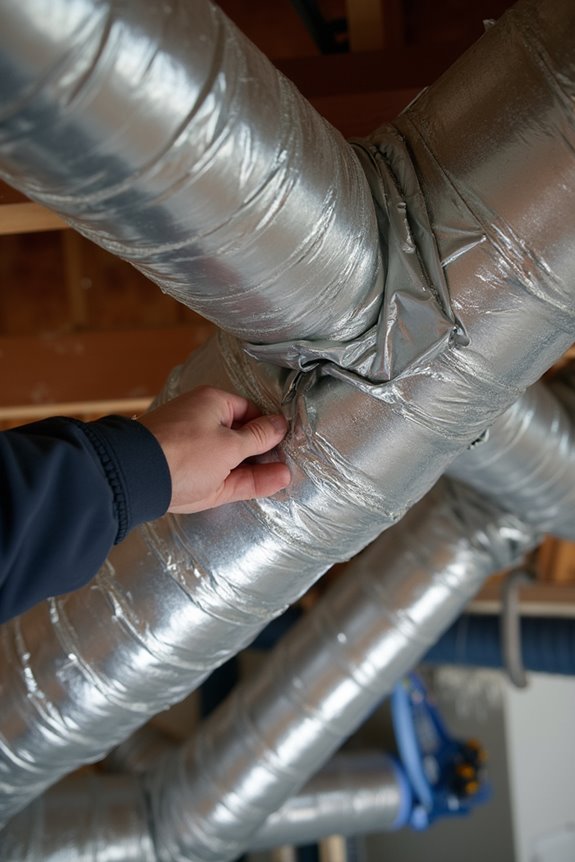
Although ductwork might not seem like the star player in our HVAC system, sealing and cleaning it should be at the top of our maintenance checklist! When we focus on duct sealing, we not only boost energy efficiency but also enjoy lower bills. Imagine saving that cash and using it for a treat—like holiday cookies!
Duct cleaning is a magical way to improve our indoor air quality, reducing allergens swirling around. It’s like giving our home a fresh, delightful breath of air! Additionally, proper drainage capabilities in wall garden planters can also play a significant role in enhancing air quality by allowing plants to flourish.
Regular inspections help us catch leaks and clogs, ensuring our system performs at its best. Let’s commit to maintaining our ductwork; it’s the secret ingredient for cozy comfort all year round!
Recommended Products

STOPS AIR LEAKS & SAVES ENERGY: Designed for HVAC contractors and DIYers. This heavy-duty aluminum foil tape creates an airtight seal on air ducts, furnace pipes, and foamboard insulation. By blocking cold or hot air leaks, it immediately improves your HVAC efficiency and helps lower your home energy bills.

THICKER: 3.9 mil / 0.1mm foil tape. Metal glosses, good insulation. The metal duct tape is too thin is easy to break, and too thick is difficult to fit the pipe surface. The thickness of 3.9mil is moderate for use. So foil tape of 3.9mil is not easy to break and is your best choice.

VAPOR SEAL TAPE: 2.0 mil aluminum foil backing (4.0 mil total thickness) with a strong, pressure sensitive acrylic adhesive is ideal as a vapor seal tape for duct closure.
Enhancing Home Insulation
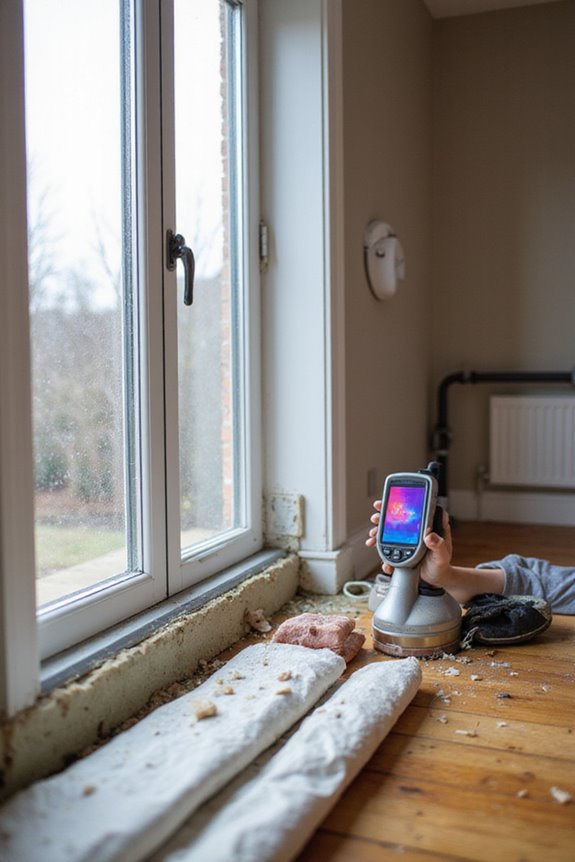
Enhancing our home insulation is like adding a cozy blanket to our living space—an essential step that helps keep us warm and comfy all winter long! By choosing quality insulation materials, we can enjoy incredible insulation benefits that save us money and keep our homes cozy. Additionally, incorporating sustainable materials, such as carbonized bamboo flooring, can contribute to the overall efficiency and aesthetic appeal of a well-insulated home.
Let’s consider some options:
- Spray Foam: Offers high heat resistance in tight spaces.
- Cellulose: A budget-friendly choice that can cut energy needs by 30%.
- Fiberglass: Easy to install and can reduce energy use by 25%.
Don’t forget those attics and exterior walls! Insulating these areas can make a huge difference. Plus, sealing air leaks can enhance everything, keeping our homes delightful and warm, just like a hot cocoa on a chilly day!
Recommended Products

Expands To Fill: Loctite Tite Foam Big Gaps fills, seals, and insulates effectively around gaps and cracks up to 3 inches in size

CLASS A FIRE-RATED PROTECTION WITH R-8.24 PERFORMANCE: BEEST FullStop spray foam insulation kit is Class A fire-rated & meets ASTM E84 fire safety standards for safer, more confident applications. Delivers strong thermal resistance & acoustic insulation with an R-Value of 8.24 at 2” thickness.

Easy to Clean and Reusable: This foam insulation gun is easy to clean, thanks to it being coated both inside and outside with Teflon (PTFE). With the non-stick feature of the Teflon coating, it leaves no residue and allows you to use less foam cleaner.
Correcting Thermostat Placement and Calibration
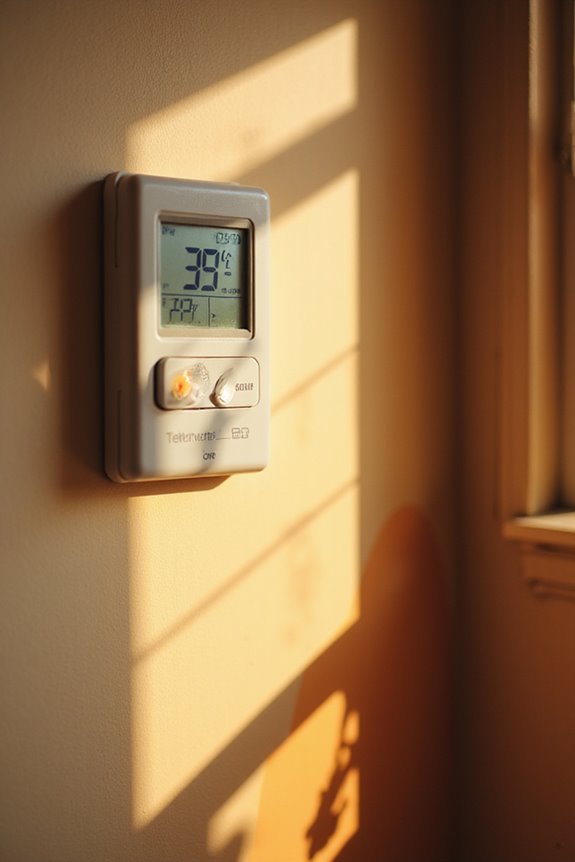
Have you ever wondered why your cozy rooms still feel chilly, despite having the heat turned up? Let’s get our thermostat placement right! Ideally, we should place our thermostat about 50-60 inches off the ground, away from windows and drafts. The best spot is often in the center of our home, like a hallway or living room.
Now, let’s talk calibration adjustments! Periodic recalibration helps keep those temperatures accurate, adapting to seasonal changes. This guarantees a warmer holiday season without ballooning energy bills! Smart thermostats often adjust themselves too, making life a little easier. Additionally, investing in energy-efficient lighting can significantly lower electricity use, further enhancing your home’s warmth.
Recommended Products

An Alexa thermostat - Amazon Smart Thermostat is an easy way to switch from a traditional thermostats for homes and help reduce energy usage.

Save up to 23% every year on heating and cooling costs, adjusts to your set schedule to save energy when you’re gone and optimize comfort when you’re home. Compared to a hold of 72

PRIVACY PROTECTION*: Sensi won’t sell your personal information to third parties
Implementing Air Return Systems
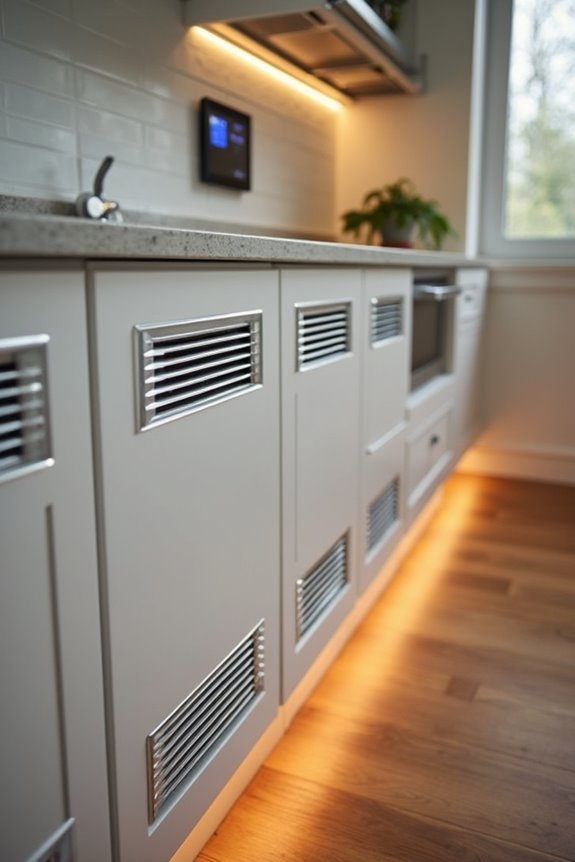
When it comes to achieving that delightful warmth throughout our homes, implementing air return systems can make all the difference! These systems play an essential role in ensuring proper return airflow, pulling room air back into our HVAC systems. This not only balances air pressure but also helps us avoid those pesky hot or cold spots we all dread.
Here are some quick tips:
- Seal those ducts! Prevent air leakage for maximum efficiency.
- Clear the way! Keep return vents free from furniture or drapery.
- Regular check-ups! Inspect your system to maintain performance and indoor air quality. Additionally, consider energy-saving solutions like sustainable home products to improve overall efficiency in your living space.
Recommended Products

The return air grille for 20" x 20" duct opening (Outer Dimensions--22 5/8"W×22 5/8"H).Pls make sure the size of wall duct opening/actual hole is 20"W x 20"H

WALL OR CEILING VENT: This rectangular return air grille is designed for a 14 in. x 6 in. duct opening; overall dimensions are 15-3/4 in. x 7-3/4 in; grille has 2 vent rows and fits most standard wall or ceiling return air setups
![Hrboat 24"W x 6"H Return Air Grille [Duct Opening Size], Steel HVAC Return Air Vent Cover for Wall & Ceiling, White Powder-Coated Rust-Resistant AC Cold Air Return, Outer Dimensions 25.75"W x 7.75"H](https://m.media-amazon.com/images/I/41yQl+WD-LL._SL500_.jpg)
【Perfect Size Fit】Designed to fit a 24"W x 6"H duct opening (please measure the wall opening, not the old vent cover). Overall dimensions: 25.75"W x 7.75"H for better wall coverage and a cleaner finish. Ultra-slim 0.7cm thickness creates a low-profile appearance. Please double-check the size before ordering for the best fit.
Upgrading to Energy-Efficient HVAC Models
Upgrading to energy-efficient HVAC models isn’t just a smart choice; it can feel like giving your home a delightful makeover! Imagine slashing our utility bills by up to 30% or more—like finding extra presents under the tree! These modern systems not only promise significant energy savings but also come with wonderful environmental benefits, helping reduce greenhouse gas emissions.
Benefits include:
- Long-lasting equipment—fewer replacements!
- Reduced maintenance needs—less hassle and lower costs!
- Better comfort—consistent heating and cooling throughout our spaces!
These improvements can lead to long-lasting equipment that ensures you enjoy the benefits of your upgrade for many years to come!
Recommended Products
![HVAC BIBLE [10 in 1] The Ultimate Beginner's Guide: Mastering Residential & Commercial Systems, Setup to Advanced Troubleshooting, Practical Maintenance, Energy Efficiency, and Career Insights](https://m.media-amazon.com/images/I/51YyBFNhVAL._SL500_.jpg)

[POWERFUL COOLING & HEATING] High-performance 12000 BTU system delivers rapid cooling and heating with wide temperature range (61°F-88°F). Perfect for year-round comfort in spaces up to 550 sq.ft. Features heat pump functionality and effective dehumidification mode for different daily needs
Conducting Regular Maintenance and Inspections
Maintaining our HVAC systems is like giving our home a regular tune-up to keep everything running smoothly and efficiently. Let’s check off some essential tasks together:
- Filter Replacement: Regularly inspect and replace air filters to guarantee ideal airflow and air quality. Think of it like changing the fancy filters on holiday lights!
- System Inspection: We should assess our HVAC components for blockages and corrosion. A little dusting goes a long way.
- Clean Ducts: Inspect ducts for any debris or even mold. Clean ducts can be a delightful surprise in air quality!
- Safety First: Remember to check wiring and safety devices. This isn’t just maintenance; it’s our home’s safety net!
How Can I Identify Hot and Cold Spots in My Home?
To identify hot and cold spots in our home, we can use temperature sensors for precise readings and consider thermal imaging to visualize heat distribution. This way, we can guarantee everyone stays comfortable together.
What Are the Signs of an Oversized HVAC System?
Like a hastily baked cake, oversized systems can create energy inefficiency with uneven cooling. We might spot signs like short cycling, high bills, and uncomfortable temperature swings, indicating it’s time to reassess our HVAC choice.
Can Furniture Placement Affect Heat Distribution?
By thoughtfully considering our furniture arrangement, we can greatly enhance heat flow throughout our spaces. Let’s work together to create a cozy environment where warmth circulates effectively, ensuring every corner feels inviting and comfortable.
How Often Should I Clean My HVAC System Filters?
When it comes to filter maintenance, we’ll want to embrace a routine. Typically, replacing our HVAC filters every 90 days keeps our air fresh, but let’s consider more frequent changes if our household needs it.
What Impact Do Windows and Doors Have on Temperature Unevenness?
It is understood that drafty windows and poor door seals can seriously impact temperature unevenness in our homes. By addressing these issues together, we can create a cozier, more comfortable space for everyone to enjoy.